
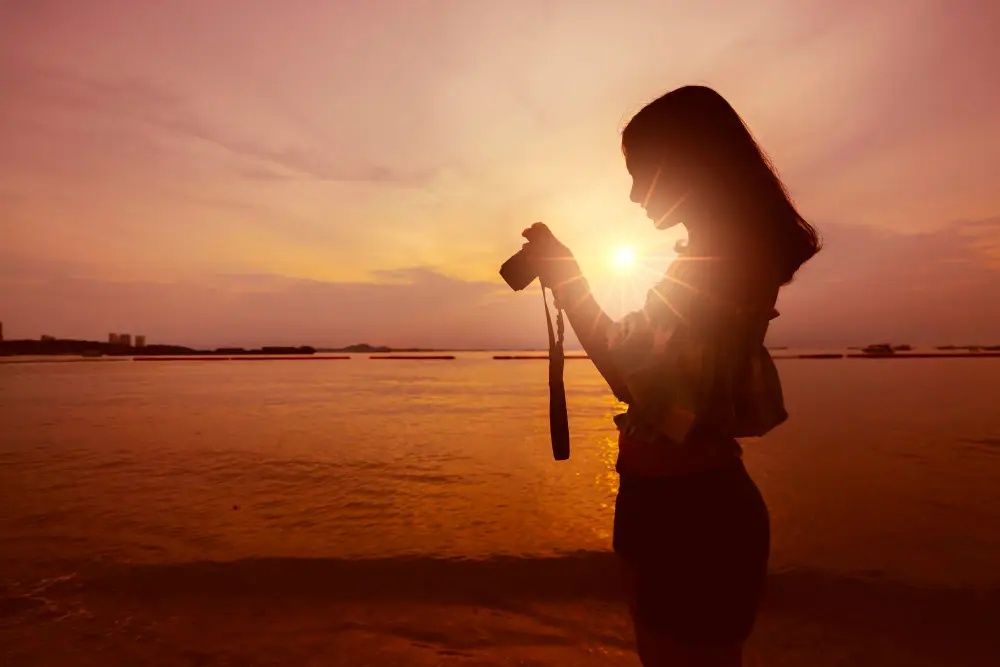
St. Augustine sits on Florida’s northeast coast, where the Matanzas River meets the Atlantic and the sky opens up in every direction. Sunset photography here is not just about pointing a camera west and pressing a button. It involves reading the light, knowing the land, and being in the right place when everything comes together.
Why St. Augustine Sunsets Stand Out
The geography of St. Augustine creates conditions that work well for sunset photography. The Intracoastal Waterway runs through the city, and the marshes and tidal creeks reflect light in ways that add dimension to images. Unlike locations with flat horizons, St. Augustine offers layers: water in the foreground, historic buildings in the middle ground, and sky that stretches overhead.
The angle of the sun shifts throughout the year, which changes where and how the light falls. Winter sunsets drop lower on the horizon and create longer shadows. Summer sunsets hang higher and last longer, giving photographers more time to work.
Reading the Sky Before the Shoot
Not every sunset delivers the same results. Cloud cover plays a major role in how a sunset photograph turns out. A sky with scattered clouds catches light and color in ways that a clear sky cannot. High cirrus clouds often produce the most dramatic color displays, while thick overcast blocks the light entirely.
Weather apps provide forecasts, but learning to read the sky yourself gives you an edge. Look west in the afternoon and notice what types of clouds are forming. If you see texture and movement, chances are good that the sunset will have interest. A flat, gray sky usually means flat, gray photos.
The Role of Humidity & Haze
Florida humidity affects how light travels through the atmosphere. High humidity can create haze that softens the light and mutes colors. On days with lower humidity, colors tend to be more saturated and the light more defined. Some photographers prefer the softer look that haze provides, while others wait for clearer conditions.
Locations That Work for Sunset Photography
St. Augustine offers several spots where the conditions align for sunset photography. The bayfront downtown provides water reflections with the historic cityscape as a backdrop. The Castillo de San Marcos, lit from the side by the setting sun, creates a scene that feels both ancient and immediate.
The beaches north and south of town offer open horizons and the sound of waves. Vilano Beach catches light from the inlet and the dunes, while St. Augustine Beach provides easier access and more options for positioning. The fishing pier adds a structural element that anchors compositions.
Working the Marshes
The salt marshes along the Intracoastal are often overlooked for sunset photography, but they offer something the beaches and downtown do not: stillness. The water in the marshes reflects the sky like glass, and the grasses catch the light in warm tones. These locations require more effort to access but reward photographers with images that feel untouched.
Timing the Shot
Sunset photography involves more than a few minutes when the sun drops below the horizon. The best light often comes before and after that moment. Golden hour, the period before sunset, casts warm light across everything it touches. Blue hour, the period after sunset, brings cooler tones and a quieter mood.
Arrive at your location well before sunset to scout positions and set up equipment. Rushing leads to missed opportunities. Stay after the sun disappears, because the sky can continue to change color for another twenty or thirty minutes.
Camera Settings & Technique
Sunset photography requires adjusting settings as the light changes. The dynamic range between bright sky and darker foreground can exceed what a camera captures in a single exposure. Bracketing exposures and blending them later is one solution. Using graduated filters is another.
A tripod becomes more useful as the light fades and shutter speeds drop. Image stabilization helps, but nothing replaces the steadiness of a solid tripod on firm ground. In sandy or wet conditions, make sure your tripod feet are secure before releasing the shutter.
Shooting Into the Sun
Including the sun in the frame creates challenges. Lens flare can add atmosphere or ruin a shot, depending on how it falls. Stopping down the aperture creates a starburst effect that some photographers use intentionally. Shielding the lens with your hand or a hood reduces unwanted flare while keeping the sun visible.
Working with Clients During Sunset Sessions
Portrait sessions during sunset require balancing attention between the person and the light. The window for the best light is limited, so having your subject ready to move and respond quickly matters. Backlighting creates a rim of light around hair and shoulders that separates the subject from the background. Fill light, either from a reflector or a flash, keeps faces visible without overpowering the natural light.
Post-Processing Sunset Images
Editing sunset photos requires restraint. The temptation to push saturation and contrast can result in images that look artificial. The colors in a St. Augustine sunset are already strong. Enhancing them slightly brings out detail, but going too far creates something that no longer feels real.
Work with the white balance to emphasize warmth or coolness depending on the mood you want. Adjust shadows to recover detail in darker areas without flattening the contrast that makes sunset light compelling. Each image is different, so there is no single formula that works for every shot.
The Unpredictable Nature of Light
Sunset photography teaches patience. Some evenings, the light does not cooperate. Clouds block the sun at the last moment, or the sky remains flat and colorless. Other evenings, everything aligns and the sky catches fire in ways you could not have predicted.
St. Augustine gives photographers plenty of opportunities to experience both outcomes. The key is to keep showing up, camera ready, watching the sky change. The images that result from those sessions capture something that only existed for a few minutes. That is what makes sunset photography in this city worth the effort.