
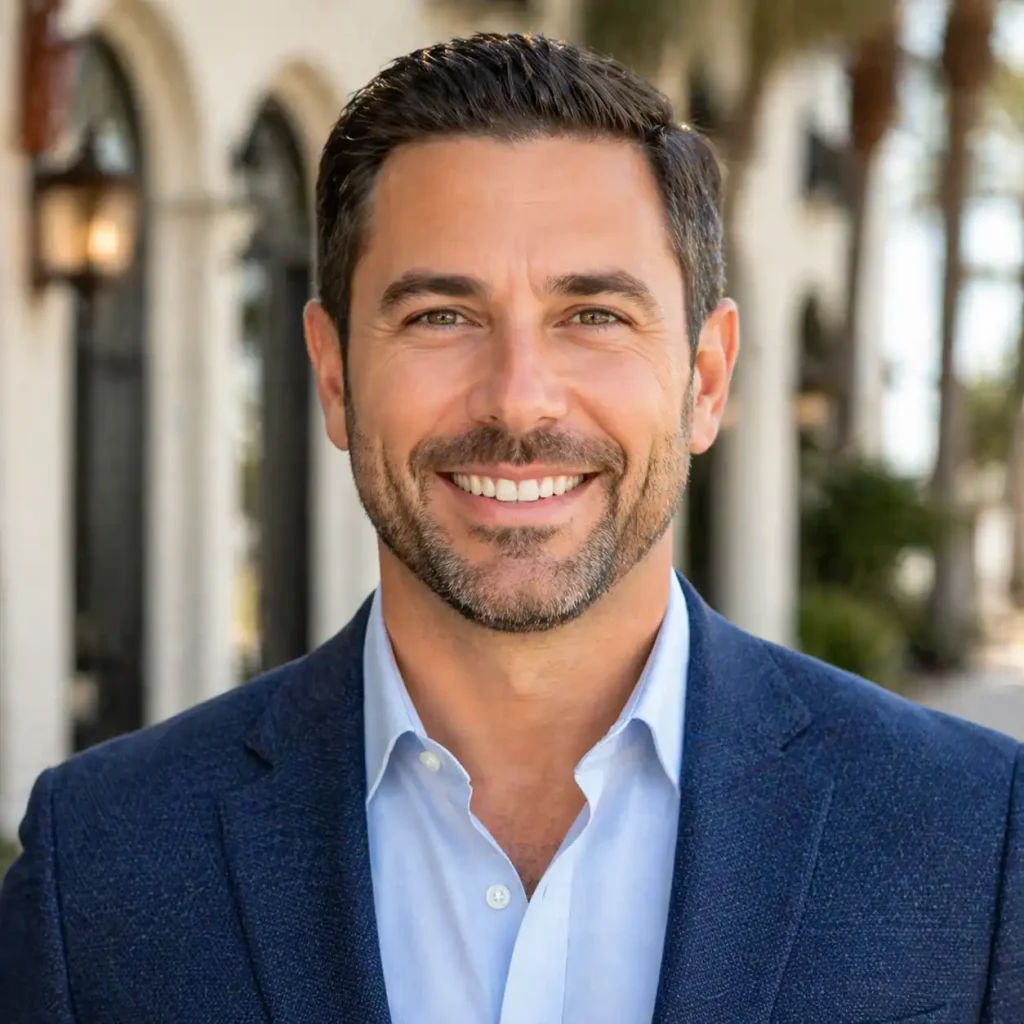
Before anyone reads your bio, your recent posts, or your work history, they see your photo. That image loads in under a second, and the judgment happens almost as fast. Competent or careless. Senior or junior. Approachable or cold. Fair or not, these reads are being made, and they affect who clicks follow, who accepts your connection request, who decides you are worth a 15-minute call.
In 2026 the rules have shifted. AI-generated headshots are everywhere, remote hiring has made the profile photo more important than ever, and what used to be acceptable five years ago now looks dated. This guide covers what a strong LinkedIn and personal brand headshot actually looks like today, what has changed, and what most people still get wrong.
Why LinkedIn Photos Carry More Weight Now
Hiring has moved online. Sales cycles start on LinkedIn. Referrals happen through a single shared profile link. Entire business deals are initiated before anyone meets in person. The profile photo is doing more work than it ever has, because it is often the only visual information someone has about you when they decide whether to engage.
LinkedIn’s own data has shown for years that profiles with professional photos get significantly more engagement than those without. The gap has widened, not narrowed. In a feed crowded with content, a photo that feels flat or outdated gets scrolled past. A photo that feels current and confident earns the extra second of attention that leads to a click.
There is also a trust factor. Remote work means clients are hiring people they will never meet in person. A weak or missing photo creates hesitation. A strong photo builds enough baseline confidence that the conversation can move forward.
What a Strong 2026 Headshot Actually Looks Like
The aesthetic has shifted. The corporate, overly lit, stiff headshot of the 2010s no longer works. What reads as professional in 2026 is softer, more natural, and more human, without losing the polish that signals seriousness.
Natural, flattering light
Hard overhead lighting is out. Soft window light, diffused studio light, and outdoor golden hour light are what modern headshots are built on. The goal is even skin, clear eyes, and a face that looks approachable rather than sculpted.
Simple, clean backgrounds
Plain walls are fine but can feel dated if lit poorly. More interesting options include blurred outdoor environments, neutral studio backdrops with gentle gradient lighting, or architectural backgrounds that add context without distraction. Avoid busy backgrounds that compete with your face.
Genuine expression
Forced smiles read as forced. The strongest modern headshots capture a slight smile or a relaxed neutral expression with warmth in the eyes. Photographers who do this well usually spend a few minutes talking to you before shooting, specifically to get you out of a camera-pose mindset.
Updated styling
Wardrobe should feel current without chasing trends. Solid colors in muted or jewel tones photograph best. Patterns, especially small repeating ones, cause distortion on camera and look dated. Jewelry should be minimal. Hair and makeup should look like a polished version of your everyday appearance, not a formal event.
Closer cropping
2026 LinkedIn photos lean tighter. Head and shoulders, sometimes just head and upper chest. Wide shots where your arms and torso take up most of the frame look small and indistinct on mobile, which is where most people view profiles.
What LinkedIn Actually Displays
LinkedIn profile photos are displayed as circles. Your photo is cropped into a round shape across almost every part of the platform. This matters more than most people realize.
- Anything near the edges of your photo gets cut off
- Backgrounds that were visible in the original rectangle may disappear after the circle crop
- A photo composed too loosely ends up showing mostly background instead of your face
- A photo cropped too tightly loses hair, chin, or shoulders when forced into the circle
On desktop, the main profile photo appears at roughly 400 by 400 pixels. On mobile, it is closer to 150 by 150. That smaller size is where most views happen. If your photo looks great on a big monitor but loses clarity on a phone, you are losing most of the audience.
A good photographer composes specifically for this format. The face should be centered, well-lit, and large enough in the frame that it still reads clearly at thumbnail size.
The AI Headshot Problem
The rise of AI-generated headshots is one of the biggest shifts in the personal branding space. Services can now turn a few selfies into polished, studio-quality images for under 50 dollars. On the surface this seems like a solved problem.
It is not. A few things are happening in 2026 that you should know before going this route.
Recognition is catching up
Recruiters, hiring managers, and experienced networkers are increasingly able to spot AI-generated headshots. The hands, the ears, the slightly plastic skin texture, the overly perfect lighting, the too-neutral background. Once noticed, the photo starts signaling the opposite of what was intended. Instead of professionalism, it suggests shortcuts.
Authenticity has become a filter
Audiences are more skeptical of polished imagery than they were a few years ago. A headshot that looks a little too clean, a little too posed, or a little too idealized triggers a sense that the person may not be real. In a space where trust is currency, that hesitation costs you.
Mismatched expectations
The biggest practical problem with AI headshots is that when you meet someone in person or on video, you look like a different person. The disconnect creates an uncomfortable moment for both parties. The headshot was supposed to represent you. If it does not, it has worked against you.
Real photos, taken by a real photographer, still outperform AI-generated ones for serious professional use. The investment is higher, but the return lasts years.
Industry-Specific Nuances
A headshot that works for a startup founder will not work for a lawyer. A headshot that works for a realtor will not work for a therapist. Understanding your industry’s visual norms matters as much as the quality of the photo itself.
Corporate and finance
Polished, slightly more formal, suits or button-downs. Backgrounds tend to be plain or softly blurred. Expressions are composed and confident rather than casual.
Legal and medical
Traditional and trustworthy. Neutral backgrounds, classic styling, warm but composed expressions. Clients in these fields are often looking for signals of experience and reliability.
Tech and startups
More casual and contemporary. Business-casual wardrobe, natural outdoor or studio settings, relaxed expressions. Creativity and approachability matter more than formality.
Real estate
Warm, approachable, slightly more personality. Real estate clients hire the person, not the firm, so the headshot has to communicate trust and likability quickly.
Creative and consulting
Most flexibility, but also the most risk of getting it wrong. The photo should communicate your personal brand clearly. Bold choices can work if intentional. Random choices read as unprofessional.
Healthcare and wellness
Calming, warm, approachable. Soft colors, gentle expressions, comfortable settings. These headshots need to reduce rather than heighten client anxiety.
The professional headshots guide walks through additional industry considerations in more depth.
Common LinkedIn Headshot Mistakes
Cropped group photos
The most common problem. A photo from a wedding, a vacation, or a conference, zoomed in and cropped around your face. Phone cameras do not hold up well at this level of zoom. The image comes through blurry and pixelated. It also looks like you did not care enough to take a dedicated photo.
Sunglasses or accessories covering the face
Your profile photo is about connection. If the viewer cannot see your eyes, the photo fails. No sunglasses, no hats pulled low, no accessories that block the face.
Photos from ten years ago
If your current appearance is noticeably different from your photo, the mismatch becomes a problem the first time you meet a client or appear on a video call. Update every two to three years, more often if your appearance has changed.
Filters and heavy retouching
Light retouching is standard and expected. Heavy filtering, skin smoothing to the point of looking artificial, or obvious beauty-app edits look unprofessional in 2026. The standard has moved toward natural and current, not perfected.
Selfies taken at an angle
Arm’s-length phone selfies from above or below create distortion. The face looks unbalanced. Eyes appear too large, foreheads stretch, chins disappear. Even good selfies rarely match what a photographer produces with proper equipment and distance.
Busy backgrounds
Bookshelves, kitchen scenes, office clutter, cars in the parking lot. All of these pull attention away from you. The background should be quiet.
Inappropriate expressions
Over-the-top smiles feel forced. Stone-faced seriousness feels cold. The sweet spot is a relaxed, slight smile or a soft, engaged expression. Hard to get on your own. Easier with a photographer who knows how to pull it from you.
What to Wear for a LinkedIn Headshot
Wardrobe is often where people overthink or underthink. Some principles that apply across most industries:
- Solid colors photograph better than patterns
- Jewel tones like deep blue, emerald, burgundy, and forest green work on almost every skin tone
- Black can look severe, especially for those with darker hair. Consider charcoal or navy instead
- White can wash out under studio lights. Ivory or cream is usually a better substitute
- Necklines should be clean and appropriate. V-necks, crew necks, collared shirts, and blazers all work
- Avoid anything you have not worn in six months. Current clothing signals a current photo
For Florida-specific considerations on fabric and fit, the wardrobe guide for Florida photoshoots covers what holds up in warmer conditions.
Hair and Makeup Considerations
The goal is to look like a slightly elevated version of your everyday self. Not a wedding-day transformation.
For hair, clean and styled the way you normally wear it. A trim in the week before the session is usually a good idea. Avoid radical changes right before the shoot. The day of, have a brush or comb on hand for adjustments between shots.
For makeup, defined brows, a touch more eye definition than usual, and a lip color that adds warmth without drawing attention. Matte foundation tends to photograph better than dewy products, which can create glare under lights. Powder down the T-zone to avoid shine.
Many photographers recommend a professional makeup artist on the day, especially for women. The difference in final images is usually noticeable.
How Often to Update
The two to three year rule is a baseline, but certain changes trigger an earlier update:
- New hairstyle or color that changes your silhouette
- Significant weight change, up or down
- Facial hair change for men
- New role, especially one with more visibility
- Industry change that requires different styling
- Any shift in your personal brand direction
If you are in a highly visible role, speaker, executive, consultant, creator, updates should happen more often. An out-of-date photo on a high-profile profile signals inattention to your own brand.
Using the Same Photo Everywhere
Once you have a strong headshot, use it across every platform. LinkedIn, your company bio, your personal website, your email signature, your speaker profiles, your podcast guest headshots. Consistency builds recognition. Recognition builds trust.
The one exception is platforms with different visual cultures. Instagram, for example, may call for a slightly different crop or a more casual alternate shot. But even there, the same core image, adjusted for the platform, works better than five totally different photos across your presence.
What a Good Headshot Session Actually Involves
Professional headshot sessions in 2026 typically include:
- A consultation ahead of time to discuss your goals, industry, and brand
- Guidance on wardrobe, hair, and makeup before the session
- A shoot that runs 45 minutes to 90 minutes, depending on the package
- Multiple setups, backgrounds, or lighting scenarios
- Several wardrobe changes if desired
- Preview of images during or right after the session
- Professional retouching on the selected final images
- Delivery of high-resolution files plus sized versions for LinkedIn and other platforms
On-site options are available for teams that want consistent branded headshots across multiple people. The on-site business headshots guide covers how those sessions work.
Pricing Expectations
A solid individual headshot session in 2026 typically runs between 300 and 800 dollars depending on the photographer, the package, and the number of final images. Group or on-site corporate rates are often priced per person, starting around 150 dollars per person for larger groups and 300 dollars per person for smaller ones.
What you are paying for is not just the photo. It is the guidance, the lighting, the expression coaching, the retouching, and the knowledge of what actually works across different platforms and industries.
For current pricing details, the pricing page has the full breakdown.
The ROI of a Real Headshot
Treat your headshot like a business investment. One good session produces images that will represent you for two or three years across every professional touchpoint. The cost per impression is very low, especially compared to what a weak headshot silently costs you in missed connections, ignored outreach, and lost credibility.
The art of headshot photography guide goes deeper into how a good session actually captures personality and confidence in a way that amateur photos cannot.
Booking the Session
If it has been more than three years since your last headshot, or if you have been relying on cropped group photos and phone selfies, now is a good time to update. Reach out through the contact page with some context on your industry, how you plan to use the images, and any specific goals you have for the session.
Final Thoughts
In 2026, the profile photo is doing more than it ever has. It is the first filter people use to decide whether to engage with you. AI shortcuts exist, but they come with trade-offs that serious professionals are starting to recognize. A real photo, taken by a real photographer, still produces the strongest results across hiring, business development, and personal brand building.
The difference between a strong headshot and a weak one is not just aesthetic. It shows up in profile views, connection acceptances, meeting requests, and deals closed. That is a real business outcome, and it is worth the time and investment to get it right.