
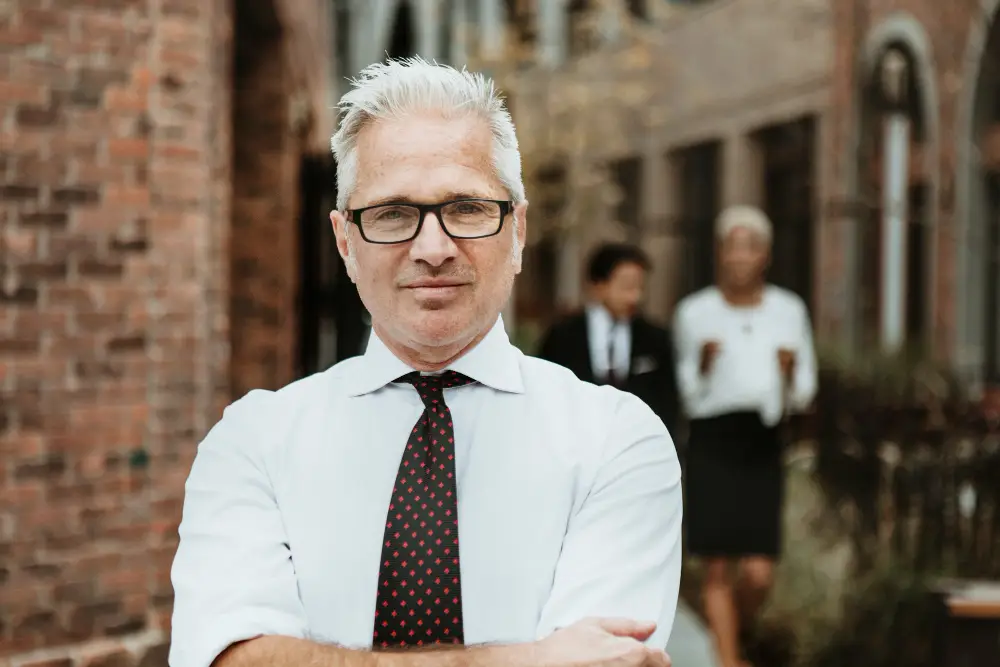
Professional Headshot Purpose
Professional headshots serve specific purposes in business and creative industries. These images will be your visual effect on the LinkedIn profiles, company websites, business cards, and marketing materials. The quality and professionalism of your headshot affects how possible clients, employers, and colleagues perceive you.
A strong headshot communicates competence, approachability, and professionalism. It creates a first impression before you meet someone in person. Investing in quality headshots pays returns through improved professional presence and credibility.
Choosing the Right Photographer
Not all photographers specialize in headshots. Look for photographers with extensive headshot portfolios showing corporate clients, actors, or professionals in your industry. Headshot photography requires specific technical skills and knowledge of professional needs.
Review photographers’ work carefully. Look for consistent lighting, sharp focus on eyes, and natural expressions. The backgrounds should be clean and non-distracting. Subjects should look approachable yet professional.
Questions to Ask Your Photographer
Discuss turnaround time for edited images. Many professionals need headshots quickly for job applications, website updates, or marketing materials. Understand when you’ll receive your photos.
Ask about the number of looks or backgrounds included in your session. Some photographers offer one outfit and background, while others include multiple setups. Know what your package includes before booking.
Selecting Appropriate Wardrobe
Your clothing choices significantly impact your headshot’s effectiveness. Dress for the job you want, not the job you have. Your outfit should reflect your industry and the impression you want to create.
Solid colors work better than patterns in headshots. Patterns distract attention from your face and can create visual noise. Choose colors that complement your skin tone and hair color.
Industry-Specific Clothing Guidance
Corporate professionals typically wear business attire. Men might choose suits, dress shirts, or blazers. Women often select blouses, blazers, or professional dresses. These choices communicate traditional business values.
Creative professionals have more flexibility. Photographers, designers, and artists might wear more casual clothing that reflects their creative identity while still looking polished and intentional.
Color Selection Strategy
Colors affect how viewers perceive you. Navy blue, gray, and black communicate authority and professionalism. These colors work well for corporate headshots and serious professional contexts.
Brighter colors like red, purple, or teal can help you stand out while still maintaining professionalism. These work well for entrepreneurs, speakers, and creative professionals who want to appear approachable and energetic.
Colors to Avoid
Very bright neon colors distract from your face and can reflect colored light onto your skin. White can be challenging because it reflects light and may become overexposed or lose detail.
All-black outfits can look too severe in headshots. If you wear black, add a colored shirt, scarf, or jacket to break up the darkness and add visual interest.
Grooming & Preparation
Schedule haircuts at least one week before your headshot session. Fresh cuts need time to settle and look natural. This timing prevents the “just cut” look that can appear stiff.
For men with facial hair, decide if you want to appear clean-shaven, with stubble, or with a full beard. Maintain consistent grooming in your headshot to match how you typically appear professionally.
Professional Makeup Considerations
Women should consider professional makeup for headshots. Camera lighting requires more defined features than everyday makeup provides. A makeup artist understands how to create camera-ready looks that appear natural in photos.
If you apply your own makeup, focus on even skin tone, defined eyes, and subtle color on lips. Avoid glitter, shimmer, or very bold colors that look harsh under camera lights. Matte finishes photograph better than dewy or shiny looks.
Posing & Body Language
Your pose communicates as much as your expression. Shoulders should face slightly away from the camera while your face turns toward it. This creates a flattering angle that appears natural and approachable.
Good posture signals confidence and professionalism. Stand or sit up straight with shoulders back. Slouching makes you look tired, unprofessional, or uninterested.
Hand Placement
Many headshots crop at chest or shoulder level, but some include hands. If your hands appear in the frame, keep them relaxed and natural. Avoid crossing arms, which can appear defensive or closed off.
Hands can rest on a chair back, hold a jacket casually, or appear in pockets with thumbs out. These positions look natural and confident without appearing forced.
Facial Expressions
Your expression should match your professional goals and industry. A slight smile with teeth showing works well for most professionals. It appears friendly, approachable, and confident.
Some industries or roles require more serious expressions. Lawyers, financial advisors, or other professionals dealing with serious matters might choose expressions that communicate authority and trustworthiness rather than friendliness.
Eyes & Connection
Eyes are the most important element in headshots. They should look sharp, engaged, and connected to the camera. Think about something that makes you genuinely happy right before the photographer shoots. This creates an authentic sparkle in your eyes.
Avoid squinting, which makes you look uncomfortable or skeptical. If bright lights cause squinting, close your eyes between shots and open them just before the photographer clicks the shutter.
Lighting Styles
Studio lighting creates consistent, controllable results for headshots. The photographer can shape light to flatter your features, minimize shadows, and create the exact mood needed.
Natural light headshots offer a softer, more organic look. When done well, natural light creates flattering, dimensional portraits. However, natural light changes throughout the day and depends on weather conditions.
Background Choices
Simple, neutral backgrounds keep focus on you. Gray, white, or solid colors work well for most professional headshots. These backgrounds don’t compete with your face or distract viewers.
Some professionals prefer environmental headshots showing their office, studio, or workplace. These provide context about your profession but require more complicated composition to keep focus on you.
Working with Your Photographer
Arrive at your session relaxed and on time. Rushing creates stress that shows in your expression and body language. Build in extra time for parking, finding the location, and settling in before your session starts.
Trust your photographer’s direction on posing and expression. They see what the camera sees and know how to create flattering angles. Try their suggestions even if they feel awkward at first.
Reviewing Images During Your Session
Many photographers show you images on the back of the camera during your session. This helps ensure you’re getting what you want and allows adjustments if needed. Don’t be too judge-y of the unedited images. Trust that editing will refine the final product.
Speak up if something bothers you or you want to try something different. Good communication creates better results. Your photographer wants you to love your headshots.
Retouching & Editing
Professional headshot editing includes basic retouching like smoothing skin, removing blemishes, and adjusting lighting and color. This creates polished images that still look like you.
Discuss your retouching preferences with your photographer. Some people want minimal editing, while others prefer more extensive retouching. Be clear about your expectations.
Avoiding Over-Editing
Your headshot should look like you on your best day, not like a different person. Over-editing creates unrealistic images that don’t match your in-person appearance. This causes problems when people meet you and you don’t look like your photo.
Maintain natural skin texture and features. Completely smooth, plastic-looking skin appears fake and unprofessional. Good retouching cleans up minor imperfections while preserving your natural appearance.
Using Your Headshots Effectively
Update your headshots every one to three years. Your appearance changes over time, and outdated photos create disconnect when people meet you. If you change hair color, hairstyle, or facial hair significantly, update your headshot sooner.
Use the same headshot across all professional platforms. Consistency helps people recognize you and creates stronger brand identity. LinkedIn, your website, email signatures, and business cards should feature the same image.
File Formats & Sizes
Ensure you receive high-resolution files appropriate for your needs. Print materials require higher resolution than web use. Ask your photographer for files suitable for both digital and print applications.
Keep backup copies of your headshot files in multiple locations. You’ll need these files for various applications over time. Losing your files means paying for another session sooner than necessary.
Special Considerations for Actors
Actors have specific headshot requirements that differ from corporate professionals. Acting headshots need to show your type, range, and casting options. Many actors need multiple looks showing different characters or moods.
Theatrical headshots should capture your essence rather than presenting a commercial, polished persona. Casting directors want to see the real you and imagine how you might fit various roles.
Commercial vs. Theatrical Headshots
Commercial headshots show you as approachable, friendly, and relatable. These work for marketing yourself for commercials, spokesperson roles, or lifestyle branding.
Theatrical headshots show more intensity and character. These demonstrate your dramatic range and suitability for film, television, or theater roles. Many actors need both commercial and theatrical headshots in their portfolios.
Group & Team Headshots
Companies often need headshots for entire teams. Consistency across team member photos creates cohesive branding on websites and marketing materials. This requires careful planning of lighting, backgrounds, and styling.
When photographing team headshots, everyone should dress in similar formality levels and color palettes. This doesn’t mean matching exactly, but coordinated business attire creates professional, unified results.
On-Site vs. Studio Team Sessions
On-site sessions bring the photographer to your office, which offers convenience for busy teams. However, office environments may lack ideal lighting or backgrounds. Discuss logistics with your photographer to determine the best approach.
Studio sessions provide more control over lighting and backgrounds but require team members to travel. For small teams, studio sessions often produce the highest quality results.
Timing Your Headshot Session
Schedule headshots when you’re well-rested and feel good about your appearance. Avoid sessions when you’re tired, stressed, or not feeling well. Your mental and physical state shows in your face.
Mid-morning or early afternoon typically provides good energy levels. Avoid scheduling headshots very early if you’re not a morning person or late in the day when you’re tired from work.