
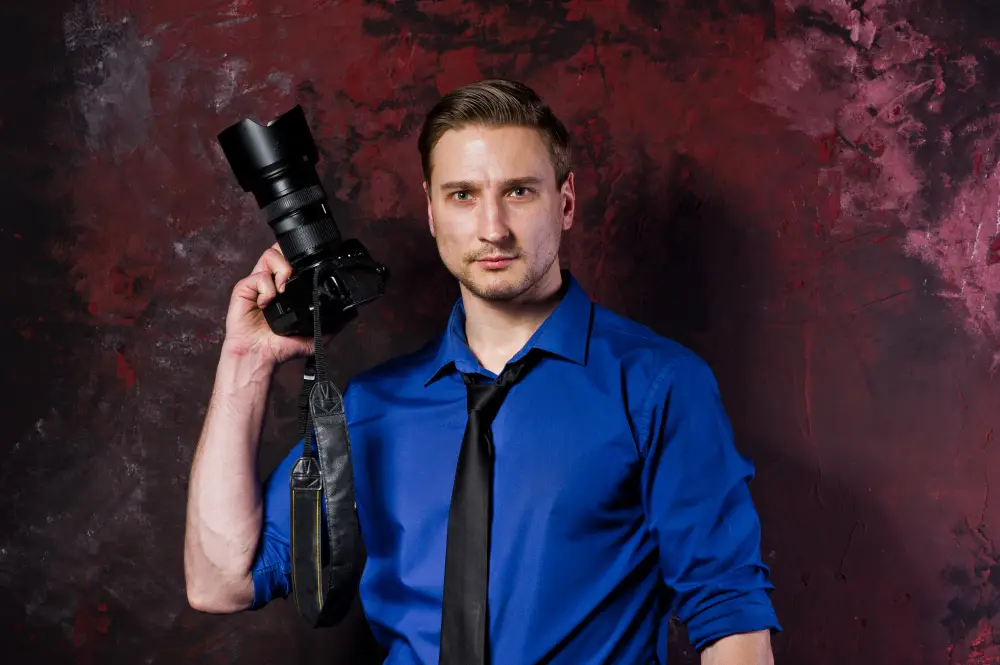
Actor headshots serve as the first impression casting directors have of talent. These images must capture personality, show range, and meet industry standards. Both photographers and actors need to understand what makes headshots effective in the entertainment industry.
Technical Requirements Matter
Headshots follow specific technical standards. The image should be 8×10 inches, shot horizontally or vertically depending on the market. Resolution must be high enough for printing while also working for online submissions. Most casting platforms require both print and digital versions.
Focus must be sharp on the eyes. Even slight softness in the eyes renders a headshot unusable. Depth of field should keep the face in focus while allowing the background to fall away softly. This draws attention to the actor rather than distracting elements.
Lighting should be flattering but natural. Harsh shadows, hot spots, or uneven illumination all detract from the face. Three-point lighting setups work well for controlled studio sessions. Natural light near windows can be equally effective with proper diffusion.
Background Selection Affects Impact
Simple backgrounds keep focus on the face. Solid colors, subtle textures, or softly blurred outdoor settings all work. Busy backgrounds distract from the actor and look unprofessional.
Color choice matters more than complexity. Gray backgrounds read as neutral and work for all actors. Outdoor backgrounds photographed with shallow depth of field create separation while adding dimension. The background should complement skin tone without competing for attention.
Avoid trendy backgrounds that date quickly. Classic, timeless backgrounds keep headshots usable longer. White backgrounds can work but require careful lighting to prevent the actor from appearing washed out.
Expression & Connection Are Everything
The eyes must engage directly with the camera. This creates connection with whoever views the image. Actors should think about someone they care about positioned just behind the camera lens. This mental trick creates genuine warmth and connection.
Expression should match the actor’s type. Commercial actors need approachable, friendly expressions. Dramatic actors might show more intensity or mystery. The expression should feel natural rather than forced.
Slight variations in expression create options. A genuine smile, a subtle smirk, and a more serious look all belong in one session. These variations allow actors to submit appropriate headshots for different roles.
Wardrobe Choices Support Type
Clothing should align with the types of roles the actor typically auditions for. Commercial actors wear casual, contemporary clothing. Theatrical actors might choose something slightly more polished. Character actors should reflect their typical casting range.
Solid colors work better than patterns. Busy patterns draw attention away from the face. Necklines matter too. V-necks and scoop necks typically photograph better than high collars or crew necks.
Avoid logos, brand names, or distracting jewelry. The actor’s face is the focus, not their clothing or accessories. Simple, well-fitted clothing that showcases the actor’s everyday style works best.
Hair & Makeup Should Look Natural
Hair should be styled the way the actor typically wears it. Casting directors want to see what you actually look like when you walk into auditions. Dramatic departures from your everyday appearance create disconnect.
Makeup should enhance features without being noticeable. The goal is to look like yourself on your best day, not like you’re wearing stage makeup. Matte products photograph better than dewy or shiny finishes.
Men should be freshly shaved or have neatly groomed facial hair that they maintain regularly. Stubble should look intentional rather than like you forgot to shave.
Timing & Preparation Affect Results
Schedule headshot sessions when you’re well-rested and feeling good. Fatigue shows in eyes and skin. Get adequate sleep for several nights before the session.
Practice expressions in mirrors before the session. Find what feels natural and looks good. Being comfortable with your expressions reduces tension during the actual shoot.
Bring multiple wardrobe options even if you only plan to use two or three looks. Having choices allows for spontaneous decisions during the session. Bring an extra top in case of coffee spills or other accidents.
Retouching Should Be Minimal
Light retouching addresses temporary issues like blemishes or stray hairs. Heavy retouching that changes your appearance is misleading and creates problems in auditions. Casting directors need to recognize you when you walk into the room.
Keep your skin texture visible. Over-smoothed skin looks artificial and unprofessional. Minor imperfections are acceptable and make you look real rather than computer-generated.
Don’t alter your features, body shape, or age appearance through editing. Headshots should be current (taken within the past year or two) and tell you how you look now.
Horizontal vs. Vertical Orientation
Some markets prefer horizontal headshots while others use vertical formats. Research your market before the session. Los Angeles typically uses horizontal shots. New York often prefers vertical. Commercial work frequently uses horizontals while theatrical work may use verticals.
Shoot both orientations during your session if possible. This gives you options for different submission requirements. The photographer should know the standards for your primary market and guide orientation choices.
Update Regularly
Headshots should be updated whenever your appearance changes significantly. New hair color, weight changes, or aging all necessitate new headshots. Most actors need new shots every year or two to stay current.
Seasonal changes affect availability of work. Update headshots before busy casting seasons in your market. This ensures current materials are ready when opportunities arise.
Children and young adults need headshots more frequently as they grow and change rapidly. Every six months to a year keeps their headshots accurate.
Actor headshots are business tools first and artistic images second. They must meet industry standards, represent you accurately, and catch the attention of casting directors reviewing hundreds of submissions. Both actors and photographers should understand these requirements to create effective headshots that book auditions.