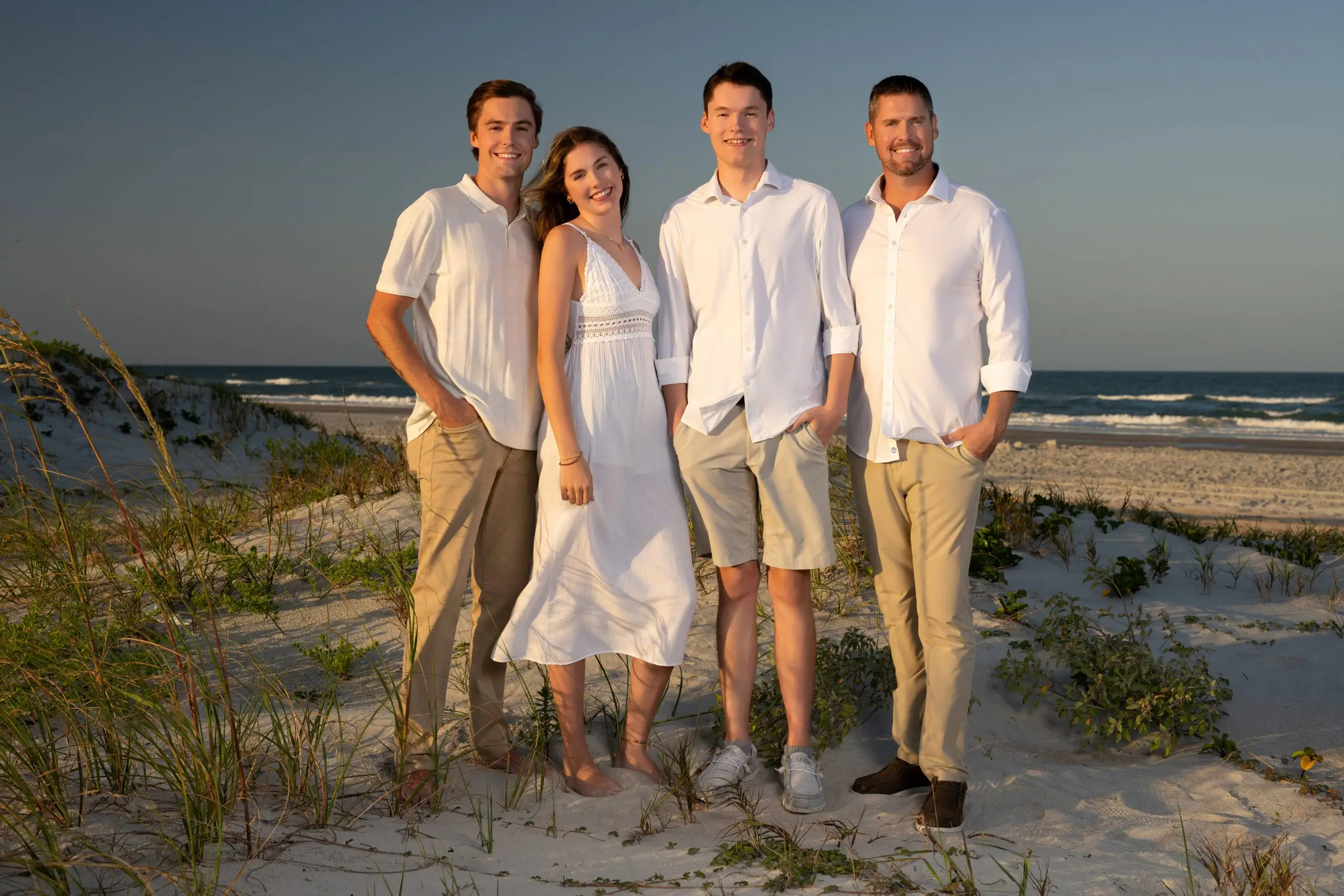
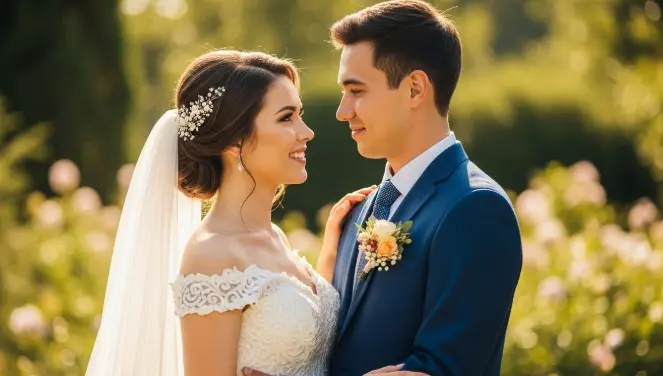
Portrait photography is one of the most powerful ways to capture the essence of a person. It goes beyond simply documenting appearances, aiming to convey mood, personality, and emotion in a single frame. Whether it’s a formal headshot, a candid lifestyle moment, or a creative editorial portrait, portrait photography is a versatile art form that blends technical skill with storytelling. In this article, we’ll explore everything you need to know about portrait photography from its history and types to shooting tips, comparisons, and FAQs so you can fully understand and apply this craft.
Short Answer – Understanding Portrait Photography Quickly
At its core, portrait photography is the art of capturing a person’s personality, mood, and expression. It includes a wide range of styles such as headshots, environmental portraits, lifestyle portraits, and creative compositions. Unlike standard snapshots, portrait photography emphasizes composition, lighting, and emotion, focusing on the subject’s essence rather than just their appearance.
Example of portrait photography capturing emotion: a smiling child in natural light, framed against a blurred garden background.
Core Explanation of Portrait Photography
Definition and History of Portrait Photography
Portrait photography has a rich history dating back to the 19th century. Early forms, like daguerreotypes, were primarily formal studio portraits captured on metal plates, requiring long exposure times. These portraits were often serious, meticulously posed, and reflected the subject’s social status.
With technological advancements, portrait photography evolved into modern digital forms, allowing for instant feedback, creative experimentation, and flexible lighting options. Key milestones include the transition to film cameras, the rise of color photography, and today’s digital revolution, which enables photographers to combine technical precision with artistic storytelling.
Importance of Portrait Photography
Portrait photography plays a significant role in both personal and professional contexts:
- Emotional storytelling: A well-captured portrait conveys feelings and personality that words alone cannot.
- Professional use: Corporate headshots, social media branding images, and professional portfolios rely heavily on compelling portraits.
- Personal and cultural significance: Family portraits, senior photos, and cultural documentation preserve memories and traditions across generations.
Key Elements That Define Portrait Photography
Several factors distinguish great portrait photography from ordinary snapshots:
- Lighting techniques: Using natural or studio lighting creatively enhances mood and highlights facial features.
- Posing and composition: Proper angles, posture, and framing draw attention to the subject while maintaining balance.
- Backgrounds and environment: Contextual backgrounds add depth and storytelling elements.
- Lens choice and depth of field: Prime lenses with wide apertures create soft, blurred backgrounds, keeping focus on the subject.
- Capturing personality and emotion: The ultimate goal is to evoke genuine emotion through facial expressions and body language.
Types of Portrait Photography
Traditional Portraits
Traditional portraits are studio-based and typically formal, often used for professional headshots, school photos, or family portraits. They focus on controlled lighting, clean backgrounds, and posed expressions.
Environmental Portraits
Environmental portraits place the subject in a specific context that reflects their personality, occupation, or lifestyle. A chef in a bustling kitchen or an artist in a sunlit studio adds storytelling layers to the portrait.
Candid Portraits
Candid portraits capture natural, unposed moments, emphasizing spontaneity and authenticity. These are common in events, street photography, or lifestyle sessions.
Creative Portraits
Creative portraits allow photographers to experiment with lighting, props, editing techniques, and unique concepts. These often appear in editorial magazines, fashion spreads, or artistic portfolios.
Digital/Contemporary Portraits
Digital or contemporary portraits are optimized for social media, personal branding, and influencer marketing. They focus on style, composition, and visual appeal, often edited to match specific aesthetic trends.
Guide to Capturing Portrait Photography
Step 1 – Planning Your Shoot
Every successful portrait begins with planning: define the subject, location, and concept. Consider the purpose of the portrait, the story you want to convey, and the style that best suits your subject.
Step 2 – Setting Up Your Equipment
Choose the right camera and lens. Prime lenses like 50mm or 85mm work best for portraits, offering flattering perspectives and soft backgrounds. Set your camera for the desired aperture, shutter speed, and ISO. Determine whether natural light or studio lighting will achieve your vision.
Step 3 – Directing and Posing
Guide your subject into natural, comfortable poses. Engage them with conversation to elicit genuine expressions. Slight adjustments in posture or eye direction can make a significant difference in emotional impact.
Step 4 – Capturing the Shot
Focus on composition and timing. Use techniques like the rule of thirds or leading lines to frame the subject effectively. Capture multiple shots to provide options for final selection.
Step 5 – Editing and Post-Processing
Post-processing enhances portraits while maintaining authenticity. Adjust exposure, color balance, and contrast. Retouch skin and remove distractions, but avoid over-editing, which can compromise natural expression.
Step 6 – Delivering the Final Portrait
Finalize the image for its intended use. Export in high-resolution formats for print or optimized versions for digital sharing. At Pamela Photo FL, we ensure each portrait meets client or personal standards while retaining the emotional essence captured during the shoot.
Portrait Photography Comparison Table
| Type | Description | Best Use | Equipment/Lens Recommendations |
|---|---|---|---|
| Traditional | Studio, posed portraits | Headshots, formal family portraits | DSLR/Mirrorless, 85mm f/1.8 |
| Environmental | Subject with context | Lifestyle, professional branding | 35mm–50mm lens, natural light |
| Candid | Unposed, spontaneous | Events, personal storytelling | Fast lens, high ISO, handheld |
| Creative | Artistic, stylized | Editorial, experimental | Specialized lenses, props, off-camera lighting |
Common Questions About Portrait Photography (FAQs)
What equipment is needed for portrait photography?
Basic portrait equipment includes a DSLR or mirrorless camera, a prime lens (50mm or 85mm), a tripod for stability, and lighting options such as softboxes or reflectors.
How can I take better portraits with a smartphone?
Use natural light, tap to focus on the subject’s face, maintain a clean background, and experiment with portrait mode to blur the background.
What is the difference between portrait and fashion photography?
Portrait photography focuses on emotion, personality, and storytelling. Fashion photography emphasizes clothing, styling, and editorial aesthetics.
How do professional photographers make subjects comfortable?
They engage in conversation, provide clear direction, and create a relaxed environment, helping subjects express genuine emotion.
What lighting works best for portraits?
Soft, diffused light from windows, reflectors, or softboxes generally produces flattering results. Golden hour outdoor light is also ideal for natural warmth.
How can I capture authentic expressions?
Encourage movement, conversation, and humor. Avoid stiff posing, and allow the subject to relax naturally in front of the camera.
Is editing necessary for portrait photography?
Editing enhances the final image, but it should preserve the subject’s natural appearance and emotional expression.
How do portrait styles differ across cultures?
Cultural portraiture reflects local attire, traditions, and aesthetics, emphasizing identity and community values in the composition.
Conclusion – Why Portrait Photography Matters
Portrait photography is more than a visual record; it’s a way to tell stories, evoke emotions, and preserve memories. By understanding what portrait photography is, exploring different styles, mastering techniques, and applying thoughtful planning, anyone from hobbyists to professionals can capture compelling, meaningful portraits.
Whether you’re creating personal keepsakes, professional branding, or artistic projects, mastering portrait photography can transform how you see and represent people. The next time you pick up your camera, remember: it’s not just about capturing a face—it’s about capturing a story, a mood, and the essence of life itself.