Planning a wedding can feel overwhelming. Between guest lists, venues, and endless details, many couples are turning to elopement photography as a more intimate and stress-free alternative. But what exactly is elopement photography, and why is it growing in popularity? In this guide, we’ll break it all down from its meaning and evolution to step-by-step planning, stunning elopement ideas, package options, and costs giving you everything you need to decide if this is the right choice for your big day.
Short Answer — What Is Elopement Photography?
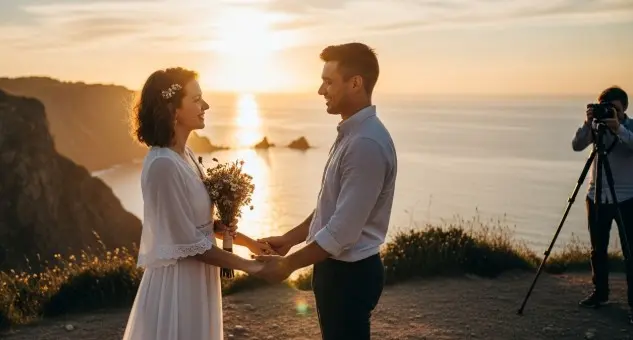
Elopement photography captures intimate, private wedding ceremonies that typically involve a small number of guests or just the couple themselves. Unlike traditional wedding photography, which documents large events with extensive timelines, elopement photography focuses on storytelling, emotion, and capturing the unique experience of the couple.
Couples are increasingly searching for this style because it allows for personalized, adventurous, and memorable celebrations without the stress, cost, or constraints of a traditional wedding.
What Is Elopement Photography and Why Is It So Popular?
What Is Elopement Photography in Modern Weddings?
Today, elopement photography is more than just secretly marrying at a courthouse. Modern elopements emphasize experience, intimacy, and adventure, often in breathtaking locations like mountains, beaches, or urban rooftops. Photographers document these ceremonies in a storytelling, documentary-style approach, capturing authentic emotions rather than staged portraits.
The Evolution of Elopements Over Time
Elopements have evolved from private courthouse weddings into luxury destination events. Adventure elopements have risen in popularity, fueled by social media and Instagram, inspiring couples to exchange vows in unique locations like waterfalls, glaciers, or city rooftops.
Who Typically Chooses Elopement Photography?
- Couples seeking privacy and a stress-free experience
- Adventure seekers who want scenic or offbeat locations
- Destination wedding planners who value flexibility
- Budget-conscious or minimalist couples looking for meaningful, intimate celebrations
What Does an Elopement Photographer Actually Do?
Elopement photographers are more than just picture-takers they often guide the entire experience:
- Planning support: Suggesting locations, vendors, and ceremony flow
- Timeline creation: Ensuring optimal lighting and smooth day flow
- Location scouting: Finding hidden gems for photos
- Permits and regulations guidance: Handling legal requirements for public or remote areas
- Vendor recommendations: From officiants to florists
- Weather and lighting planning: Capturing the best moments regardless of conditions
Elopement Photography vs Traditional Wedding Photography
Key Differences in Coverage Style
| Feature | Elopement Photography | Traditional Wedding Photography |
|---|---|---|
| Guest count | Small or just couple | Large, hundreds of guests |
| Timeline | Flexible, short | Structured, full day |
| Portraits | Candid, storytelling | Formal and staged |
| Locations | Unique, adventurous | Venue-based |
Emotional Tone and Experience
Elopements are stress-free, intimate, and personalized, whereas traditional weddings are often structured and large-scale. The flexibility allows couples to prioritize authentic experiences over logistics.
Guide to Planning an Elopement Photoshoot
Decide Your Vision and Elopement Style
- Adventure elopement: Mountains, cliffs, hiking trails
- Micro-wedding: Small intimate group with close family
- City elopement: Rooftops, urban backdrops
- Destination elopement: Faraway locales like Iceland or Santorini
Choose the Perfect Location
- Mountains, beaches, national parks, urban rooftops, forests, deserts
- Consider accessibility, permits, and the story you want your photos to tell
Book an Experienced Elopement Photographer
- Look for portfolio experience with adventure or destination elopements
- Ask about local knowledge vs. travel experience
- Ensure they can adapt to weather and terrain
Plan Your Timeline for Lighting and Weather
- Sunrise for intimate, soft light
- Sunset and golden hour for romantic effects
- Always have a backup plan in case of weather issues
Secure Permits and Legal Requirements
- National parks, beaches, or foreign destinations may require permits
- Ensure marriage licenses are in order
Design the Experience
- Ceremony flow, vows, activities
- Outfit choices and personal touches for a memorable day
Popular Elopement Ideas for Stunning Photography
Adventure-Based Elopement Ideas
- Hiking to alpine lakes
- Helicopter elopements
- Cliffside ceremonies
- Glacier locations
Romantic & Intimate Elopement Ideas
- Candlelit cabin vows
- Sunrise beach ceremonies
- Forest clearings
- Vineyard elopements
Urban and Stylish Elopement Ideas
- City hall ceremonies
- Rooftop vows
- Historic districts
- Boutique hotels
Destination Elopement Ideas Around the World
- Iceland waterfalls
- Santorini cliffs
- Swiss Alps
- Hawaiian beaches
- Scottish Highlands
Types of Elopement Photography Packages
Half-Day Elopement Coverage
- 2–4 hours
- Best for local ceremonies
- Basic photography and candid moments
Full-Day Adventure Elopements
- 6–10 hours
- Includes hiking, multiple locations, sunset coverage
- More comprehensive story capture
Multi-Day Destination Elopements
- Travel days included
- Welcome sessions, post-elopement shoots
- Ideal for remote or destination celebrations
Elopement Photography Packages Comparison Table
| Package Type | Coverage Hours | Guests Allowed | Locations | Planning Help | Travel Fees | Best For | Price Range | Permits Included | Album Options |
|---|---|---|---|---|---|---|---|---|---|
| Half-Day | 2–4 | 2–20 | 1 | Limited | Minimal | Local elopements | $–$$ | Sometimes | Digital |
| Full-Day | 6–10 | 2–30 | 2–3 | Moderate | Yes | Adventure & scenic elopements | $$–$$$ | Often | Prints & Digital |
| Multi-Day | 12+ | 2–50 | Multiple | Extensive | Yes | Destination & luxury elopements | $$$ | Yes | Premium Album + Prints |
How Much Does Elopement Photography Cost?
National averages range from $1,500 to $5,000+, depending on:
- Travel and destination fees
- Coverage length and number of photos
- Permits and logistics
- Editing and post-production
- Photographer’s experience
Budget tip: Combine packages with local vendors or off-season dates to reduce costs.
How to Choose the Right Elopement Photographer
Questions to Ask Before Booking
- How many elopements have you photographed?
- Do you assist with permits?
- What are your backup plans for weather?
- Are you insured?
Red Flags to Watch Out For
- No experience in unique or remote locations
- Limited adventure safety knowledge
- Vague or unclear contracts
Pros and Cons of Elopement Photography
Benefits of Elopement Photography
- Intimacy and emotional focus
- Freedom to choose unique locations
- Authentic, unique images
- Less stress than traditional weddings
- Travel opportunities and memories
Potential Drawbacks to Consider
- Family expectations and conflicts
- Legal complexities abroad
- Dependence on weather for photography
Frequently Asked Questions About Elopement Photography
Q: What is elopement photography exactly?
A: Elopement photography captures intimate, small-scale weddings, often emphasizing storytelling and scenic locations.
Q: How many guests can attend an elopement?
A: Typically 2–20, though some micro-elopements may include a small group of close family or friends.
Q: Is elopement photography cheaper than wedding photography?
A: Usually, yes, since fewer guests and shorter timelines reduce costs, though destination shoots can increase expenses.
Q: Can you elope legally anywhere?
A: Legal requirements vary by country, state, or park, so checking regulations in advance is essential.
Q: Do elopement photographers help plan the day?
A: Many do, providing guidance on locations, timelines, and permits.
Q: How far in advance should we book?
A: Ideally 6–12 months for destination elopements, 3–6 months for local ceremonies.
Q: What should we wear for elopement photos?
A: Choose outfits suitable for the location, weather, and activity level. Adventure elopements may require practical footwear.
Q: Can we include family or pets?
A: Yes, small intimate groups or pets can be incorporated with proper planning.
Final Thoughts — Is Elopement Photography Right for You?
Elopement photography is perfect for couples seeking intimacy, flexibility, and adventure over traditional wedding constraints. With Pamela Photo FL, you can capture memorable, authentic moments in stunning locations around the world. If you dream of exchanging vows in a meaningful, stress-free way, Pamela Photo FL can provide the perfect elopement photography experience. Start planning your ideal day, choose the right photographer, and embrace a wedding celebration that truly reflects your story.