Flying Dress Photography
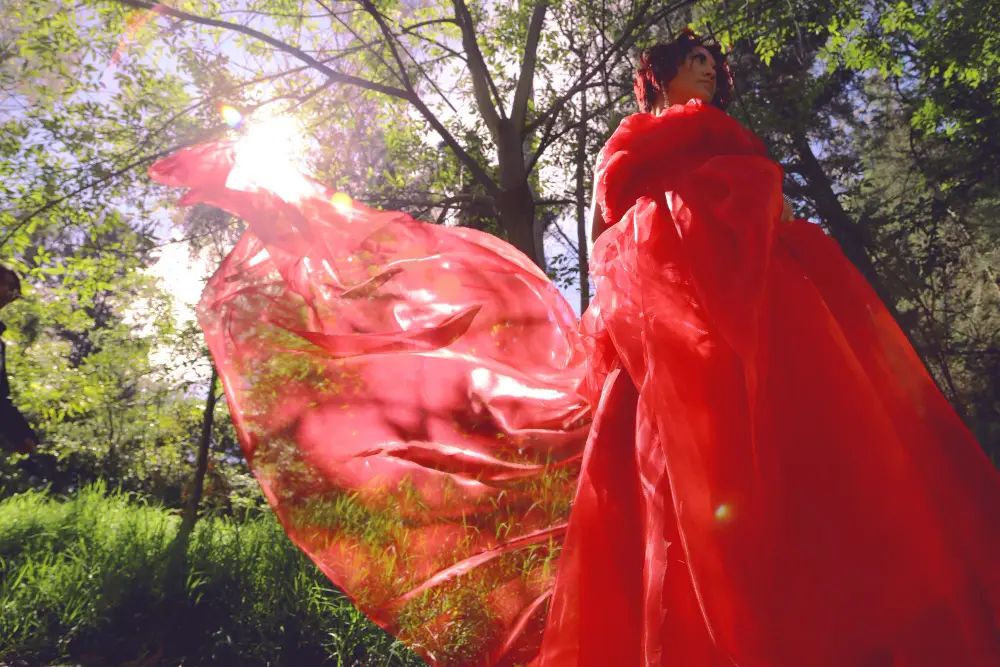
Flying dress photography creates dramatic, artistic images where fabric flows and billows around the subject. The dress itself becomes a dynamic element, adding movement, color, and visual impact to photos.
This style originated in destinations with windy conditions where fabric naturally caught air currents. Photographers recognized the dramatic effect and began using assistants to throw and arrange fabric, creating the flying effect even in calmer conditions.
Why St. Augustine Works for Flying Dress Sessions
St. Augustine’s beaches provide ideal settings for flying dress photography. The ocean breeze naturally lifts and moves fabric, creating organic movement. The open beach landscapes offer space for fabric to extend without obstacles or interruptions.
The area’s historic architecture also provides striking backdrops for flying dress images. Stone walls, Spanish colonial buildings, and historic streets create contrast against flowing, colorful dresses.
Beach Conditions & Timing
Wind conditions vary throughout the day and seasons. Morning and evening sessions often bring gentle to moderate breezes that move fabric beautifully without creating tangled messes or safety concerns.
Summer afternoon sea breezes can be strong and consistent, which creates dramatic fabric movement. However, very strong winds make fabric difficult to control and may require adjusting plans or techniques.
Dress Selection & Characteristics
Flying dress photography requires specific dress characteristics to achieve the desired effect. The dress needs substantial fabric, typically involving long trains or multiple layers of flowing material.
Most flying dresses include 5 to 15 yards of fabric in the train or skirt. This volume creates an impressive visual impact when the fabric extends. Without adequate fabric, the effect looks minimal and lacks drama.
Fabric Types That Work Best
Lightweight fabrics with good flow create the most dramatic effect. Chiffon, organza, and tulle catch wind easily and create beautiful shapes as they move through air. These materials photograph well, showing texture and movement while maintaining color vibrancy.
Avoid heavy fabrics like satin or silk, which don’t catch wind easily and tend to fall quickly. The goal is fabric that floats and extends, not material that hangs straight down.
Color Psychology in Flying Dress Photos
Dress color significantly affects the mood and impact of your images. Bright, saturated colors create bold, eye-catching photos that stand out immediately. These work well for social media and marketing purposes.
Pastels offer softer, romantic aesthetics. Light pink, pale blue, lavender, and peach create feminine, dreamy images. These colors complement beach settings and sunset lighting particularly well.
Contrasting with Backgrounds
Consider how your dress color interacts with your background. Red, orange, and fuchsia dresses create a striking contrast against blue ocean and sky. These colors pop dramatically in beach settings.
For sessions near historic architecture, jewel tones like emerald, sapphire, and ruby complement stone buildings. These rich colors create sophisticated, editorial-style images against St. Augustine’s Spanish colonial backdrop.
Creating the Flying Effect
Flying dress photography requires assistance to create the fabric movement. One or more assistants hold the dress train and toss or extend the fabric at precise moments while the photographer shoots.
Timing coordination between photographer and assistants is essential. The fabric reaches peak extension for only a few seconds before falling. Multiple attempts typically occur to capture the right moment with optimal fabric positioning.
Assistant Techniques
Assistants learn to read wind conditions and adjust their throwing technique accordingly. On calm days, they create the movement by manually tossing fabric. On windy days, they position fabric to catch natural breeze.
The motion involves lifting the train high and releasing it with a smooth forward motion. The fabric extends and billows before gravity pulls it down. Photographers capture images during this brief airborne moment.
Posing for Flying Dress Photos
Your pose should complement the dramatic fabric movement. Strong, confident stances work better than tentative positions. Plant your feet firmly and maintain good posture while fabric swirls around you.
Looking away from the camera often creates more artistic, editorial images. Gazing toward the horizon, closing your eyes, or looking down creates mood and story. Direct camera contact can work but may feel less dynamic than directional gazes.
Body Positioning
Position your body to show the dress to its best advantage. Three-quarter turns rather than straight-on facing often create more interesting compositions. This angle shows both your figure and the extending fabric.
Keep arms relaxed but intentional. Arms raised slightly, holding hair, or extended to sides can add to the overall composition. Avoid stiff, uncomfortable positions that look forced.
Planning Your Flying Dress Session
Flying dress sessions require more time than standard portrait sessions. The complexity of coordinating fabric, wind, multiple people, and photography means allowing extra time for setup and shooting.
Most sessions last 90 minutes to two hours. This allows time for multiple dress changes if desired, various locations, and enough attempts to capture the right moments with fabric flying correctly.
Session Logistics
Discuss logistics with your photographer before your session. Confirm who provides the dress, ask if your photographer has assistants available, and what backup plans exist if weather doesn’t cooperate.
Some photographers own or rent flying dresses for client use. Others require you to source your own dress. Clarify these details during booking to avoid confusion or disappointment.
Weather Considerations
Wind is both helpful and challenging for flying dress photography. Moderate wind creates movement but remains controllable. Very strong wind makes fabric difficult to manage and can create safety concerns.
Rain obviously prevents beach sessions, but cloudy skies can actually create beautiful, even lighting for photos. Don’t assume you need perfectly sunny weather for successful flying dress images.
Backup Plans & Flexibility
Build flexibility into your plans. If your scheduled session day brings unsuitable weather, rescheduling may produce better results than forcing a session in poor conditions.
Some photographers offer weather guarantees or rescheduling options. Discuss these policies before booking to understand your options if conditions don’t cooperate.
Maternity Flying Dress Sessions
Flying dress photography works beautifully for maternity sessions. The flowing fabric naturally draws attention to your pregnancy belly while creating artistic, dramatic images that differ from standard maternity photos.
Choose dresses with adjustable bodices or stretchy upper sections that accommodate your changing shape. The focus remains on the flying fabric, but the fitted bodice should showcase your pregnancy.
Timing for Maternity Sessions
Schedule maternity flying dress sessions between 28 and 34 weeks. This timing shows your belly clearly while allowing enough mobility and energy for the physical aspects of the session.
Later in pregnancy, standing for extended periods on uneven sand becomes more challenging. Discuss your comfort level and limitations with your photographer to ensure a positive experience.
Incorporating Props & Elements
While the dress provides the main visual element, additional props can brighten up the flying dress photos. Flowers, particularly small bouquets, add color and femininity without competing with the dress.
Avoid props that require holding or managing during the session. Your hands should remain free to create flattering positions, and you’ll already be focused on posing while assistants handle the dress.
Seasonal & Thematic Elements
Some photographers incorporate seasonal elements into flying dress sessions. Sunset golden hour lighting creates warm, romantic images. Beach elements like driftwood or rocky outcroppings add textural interest.
Consider if you want a timeless look or seasonal styling. Timeless approaches focus on dress, lighting, and composition without date-specific elements. Seasonal styling might include fall colors, spring flowers, or summer bright tones.
Makeup & Hair for Flying Dress Photos
Wind affects hair, so plan your hairstyle accordingly. Loose, flowing hair complements the dress movement and creates cohesive artistic images. Hair pulled tightly back can look too controlled against dramatic fabric movement.
Expect hair to blow across your face and move during the session. This natural movement suits the artistic nature of flying dress photography. Fighting against the wind to maintain hair creates frustration without improving results.
Makeup Considerations
Makeup should photograph well from a distance and in various lighting conditions. Flying dress photos often include full-body shots where facial details appear smaller in the frame.
Focus on well-defined features: defined brows, defined eyes, and visible lip color. Avoid makeup so subtle it disappears in wide-angle shots. The dramatic nature of flying dress photography supports slightly more dramatic makeup than everyday wear.
Working with Your Photographer’s Vision
Flying dress photography is artistic and editorial in nature. Trust your photographer’s creative vision and direction. These sessions differ from standard portraits and require embracing the artistic process.
Be prepared for hair and dress to look wild, windblown, and unconventional. The goal is creating art, not documenting a perfectly groomed appearance. The raw, dynamic nature of flying fabric creates the magic in these images.
Communication During the Session
Speak up if you feel uncomfortable or need a break. Flying dress sessions can be physically demanding, especially standing on uneven sand in wind while maintaining poses. Regular breaks keep you fresh and energetic.
Ask to see images periodically if you want reassurance. Knowing how the photos look helps you adjust and feel confident about the results.
After Your Flying Dress Session
Flying dress images typically require more editing than standard portraits. Photographers remove assistants from frames, adjust colors for impact, and refine fabric lines where needed.
Allow appropriate time for editing. The artistic nature of these images means your photographer invests significant effort into perfecting each image. Expect editing timelines of three to four weeks.
Using Your Flying Dress Images
Flying dress photos make striking wall art. The dramatic, artistic nature suits large prints that showcase the visual impact. Consider canvas, metal, or acrylic prints that add depth and dimension.
These images also work well for social media where visual impact matters. The dramatic, eye-catching nature makes people stop scrolling and engage with your content.