
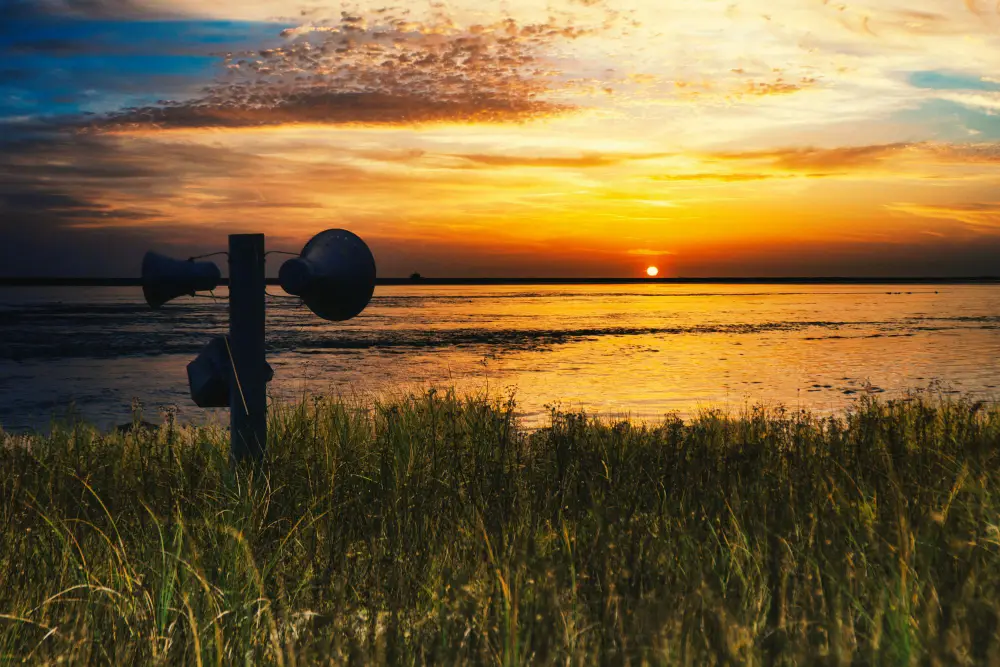
St. Augustine draws photographers from around the world, but the residents guard their favorite sunrise locations like family secrets. While tourists crowd the popular spots, locals slip away to capture morning light in places that remain largely undiscovered. These locations offer something different: fewer people, better compositions, and light that hits at angles most visitors never see.
Why Sunrise Photography Matters in Historic Districts
Morning light in St. Augustine creates conditions that afternoon shoots cannot replicate. The sun rises over the Atlantic, casting warm tones across centuries-old architecture and waterways. The city’s position on the coast means fog often rolls in during early hours, adding atmosphere to images. Humidity creates a softness in the air that diffuses light naturally.
The historic district comes alive differently at sunrise. Street vendors haven’t arrived, tour groups haven’t formed, and the trolleys sit idle. This emptiness allows photographers to capture the city as it existed in quieter times. Building facades reflect morning sun without the harsh shadows that develop later in the day.
The Old Drugstore Garden Off Aviles Street
Few people walk past this narrow passageway between buildings on Aviles Street. The entrance looks like a service alley, but it opens into a small courtyard garden that locals use as a shortcut. Brick walls on three sides create a natural reflector for morning light. The east-facing opening catches the sunrise directly for about thirty minutes.
Photographers position themselves near the fountain in the center. The water reflects orange and pink tones from the sky above. Vines grow across the upper walls, creating natural frames for portraits. The brick absorbs moisture overnight and appears darker in photos, providing contrast against lighter subjects.
This location works best between 6:45 and 7:15 AM during summer months. In winter, the sun rises later, and the sweet spot shifts to 7:30-8:00 AM. No permit is needed for personal photography, though the space is small enough that only one or two photographers can work comfortably at a time.
The North Beach Dune Crossover at Mickler’s Landing
Most photographers head to St. Augustine Beach for sunrise, but the dune crossovers at Mickler’s Landing offer better foreground elements. The wooden walkways cross through tall sea oats that catch morning light beautifully. The elevation provides sight lines over the beach without the crowds that gather at the main access points.
Arrive forty-five minutes before sunrise to set up. The walkway faces southeast, which means side lighting once the sun clears the horizon. Sea oats grow thick on both sides, creating leading lines toward the ocean. During low tide, the exposed sand shows ripple patterns that add texture to wider shots.
The parking area rarely fills before sunrise. This spot stays quiet because it requires a longer walk to reach the water compared to other beach access points. Birds gather on the dunes at dawn, and dolphins often swim close to shore during early hours.
The Bridge of Lions West Side Walkway
Every photographer knows about shooting from the Bridge of Lions, but most set up on the east side facing downtown. The west walkway offers a different view that locals prefer. From this side, morning light hits Matanzas Bay with the historic waterfront in the background. Boats moored at the marina reflect in still water before morning winds pick up.
The bridge’s architecture frames shots naturally. Iron railings create leading lines, and the overhead structure provides partial shade that prevents lens flare. During spring and fall, pelicans perch on the bridge pylons, adding wildlife elements to architectural shots.
Time this location for forty-five minutes after sunrise. Earlier shots face into the sun, which creates silhouettes rather than detailed images. The light needs to wrap around to illuminate the bay and boats properly. High tide creates better reflections than low tide, when mudflats become visible along the shore.
Fort Mose Historic State Park
Located three miles north of downtown, Fort Mose sits on a tidal marsh that most tourists never visit. The reconstructed fort provides a foreground structure, but the real draw is the marsh itself. Morning mist rises from the water during cooler months, creating layers of atmosphere. The sun rises directly behind the fort in winter, producing dramatic backlighting.
Boardwalks extend into the marsh, giving photographers different vantage points. Water levels change with tides, altering reflections throughout the morning. Birds feed in shallow areas during low tide, and fish jump during high tide. The combination of natural elements and historic structures provides variety within a small area.
This location requires arriving before the official park opening. The parking area remains accessible, and no rules prohibit walking the grounds during early hours. Bring insect repellent during warmer months, as mosquitoes gather in the marsh. The closest facilities are at the visitor center, which opens later.
The Shell Bluff Preserve on SR 206
Drive ten minutes west of downtown to reach this coastal preserve. The bluff overlooks tidal creeks that wind through salt marshes. Sunrise here creates a completely different mood than beach or downtown locations. Trees along the bluff create silhouettes, and morning fog settles into low areas between water channels.
A short trail leads to an observation platform. From this elevation, photographers shoot down into the marsh, capturing patterns created by winding waterways. During migration seasons, birds gather in large numbers. The preserve remains almost empty during early hours, even on weekends.
The platform faces southeast, which means direct sunrise in summer months and more angled light in winter. Fall produces the best colors here, as marsh grasses turn bronze and gold. Combined with morning light, the entire scene takes on warm tones. This location rewards patience, as conditions change quickly as the sun rises and fog lifts.
Planning Your Local Sunrise Session
Successful sunrise photography in St. Augustine requires more than location knowledge. Weather apps show sunrise times, but local photographers check tide charts, wind forecasts, and humidity levels. Each factor affects light quality and shooting conditions.
Scout locations the afternoon before shooting. Walk the space, note where the sun will rise, and identify composition elements. Arrive at least thirty minutes before sunrise to set up and adjust to changing light. Morning light develops quickly, and the best moments often last only fifteen minutes.
Respect private property and posted rules. These hidden spots remain accessible because photographers who use them follow guidelines and leave no trace. Share locations carefully, as overuse can lead to restrictions that limit access for everyone.