
Pregnancy brings changes that happen gradually, then suddenly. One day your clothes fit differently. A few weeks later, you feel movement. Before long, you’re holding a newborn and trying to remember what pregnancy felt like. Photography captures these moments as they unfold, creating a timeline that tells your family’s story.
Building a Visual Narrative Through Multiple Sessions
Maternity photography works best as a series rather than a single session. The first trimester brings subtle changes, and while many women don’t show much yet, this stage marks the beginning of your story. Photos from early pregnancy establish a baseline. They show you before the obvious physical changes, capturing anticipation and early emotions.
Second trimester sessions document your growing belly when energy levels typically peak. Your body shows clear signs of pregnancy, but movement remains comfortable. Clothing options expand during this period, and outdoor sessions work well before heat and fatigue become factors.
Third trimester photos capture your belly at full size. This session typically happens between weeks 32 and 36, when you’re noticeably pregnant but before the discomfort of the final weeks sets in. Many families include partners and siblings at this stage, creating group portraits that show the whole family preparing for change.
Choosing Between Studio & Location Sessions
Studio sessions offer controlled conditions. Lighting remains consistent, temperature stays comfortable, and privacy is guaranteed. Wardrobe changes happen easily, and props integrate naturally into compositions. Studios work particularly well for intimate portraits that focus on your connection with your baby and partner.
Location sessions add context to your story. Parks, beaches, and urban settings place your pregnancy within your daily life. These photos show where you walked during pregnancy, where you thought about your future, and what your city looked like during this chapter. Locations create variety through natural elements like trees, water, and architecture.
Many families split sessions between studio and location. Early pregnancy photos often work well outdoors when physical comfort isn’t a concern. Later sessions might move indoors as your energy decreases and climate control becomes more important. Consider your schedule, comfort level, and desired aesthetic when planning.
What to Wear for Maternity Photos
Clothing choices affect how photos look years later. Avoid trendy pieces that will date your images. Solid colors photograph better than busy patterns, which distract from faces and belly curves. Neutral tones create timeless images, while bold colors make statements but may not age as well.
Form-fitting clothing shows your belly clearly. Loose, flowing fabrics create softness but can hide your shape. Many photographers recommend bringing both options. Start with fitted pieces for clear profile shots, then switch to flowing fabrics for movement and variety.
Partners should coordinate without matching exactly. Similar tones create cohesion, while identical outfits can look staged. Consider comfort alongside aesthetics. You’ll pose, stand, and move throughout the session, so choose clothing that allows movement without constant adjustment.
Accessories add personality without overwhelming the frame. Simple jewelry draws attention to your face and neckline. Bare feet keep focus on natural elements during outdoor sessions. Shoes matter for studio work, where full-length shots show complete outfits.
Including Partners & Siblings in the Story
Maternity photos document your pregnancy, but including family members adds emotional depth. Partners appear in photos differently depending on the story you want to tell. Some couples prefer intimate moments showing connection and anticipation. Others want playful images that reflect their relationship dynamic.
Hands on your belly create classic compositions. These shots work for all body types and relationship styles. Partners standing behind you, with arms wrapped around your waist, emphasize protection and support. Side-by-side poses show equality and partnership.
Siblings add layers to sessions. Young children require patience and often won’t follow directions. Photographers who work successfully with kids use games, movement, and quick timing rather than formal poses. Older children participate more easily but may feel self-conscious or silly.
Plan sibling photos for the middle of your session, not the beginning or end. Start with just you or you and your partner while everyone settles in. Once siblings see you posing, they understand what’s happening and often cooperate better. End with family groups after children have participated and feel included.
Capturing the Belly Details
Close-up belly shots form the foundation of maternity photography. These images focus solely on your pregnant shape, often cropped to show just your torso. Side angles emphasize your profile, showing how your belly extends forward. Bare belly photos reveal your actual skin and shape, while clothed shots offer modesty and variety.
Hands on your belly draw attention to this focal point. Your hands cradling from below suggest protection and nurture. Partner hands joining yours show shared anticipation. Some families write words or dates on the belly for specific shots, though this approach works better for personal photos than formal portraits.
Detail shots complement wider images. A ring on your finger resting on your belly connects your identity to your pregnancy. Your partner’s hand next to yours shows relative size differences. These cropped compositions isolate specific elements while maintaining the overall story.
The Newborn Connection
Newborn sessions complete the story that maternity photos begin. Scheduling newborn photos within two weeks of birth captures your baby while they still curl into womb-like positions. These early images show the size, features, and expressions that change rapidly during the first months.
Visual consistency between maternity and newborn sessions creates a cohesive timeline. Using similar locations, lighting styles, or prop elements connects the two chapters. Some photographers create composite images showing your belly alongside photos of your baby in similar positions.
The transition from maternity to newborn photos documents your physical recovery too. While many women focus on baby photos after birth, including yourself in newborn sessions extends your story. These images show you as a new mother, capturing the exhaustion, joy, and adjustment of early parenting.
Three-Month & Six-Month Milestone Sessions
Baby development happens quickly during the first six months. Three-month sessions capture early smiles and better head control. Your baby’s personality starts emerging, though they can’t yet sit independently. These photos show the pudgy cheeks and rolls that characterize early infancy.
Six-month sessions document sitting skills and increased interaction. Babies reach for objects, respond to voices, and show distinct preferences. These photos capture your baby during a social stage when they engage with cameras and people. Expression variety increases dramatically compared to newborn photos.
Creating a cohesive story means planning these sessions alongside maternity photos. Similar styling, locations, or themes tie the series together. A family album that progresses from pregnancy through six months tells a complete story of your baby’s arrival and early growth.
Props & Personal Elements
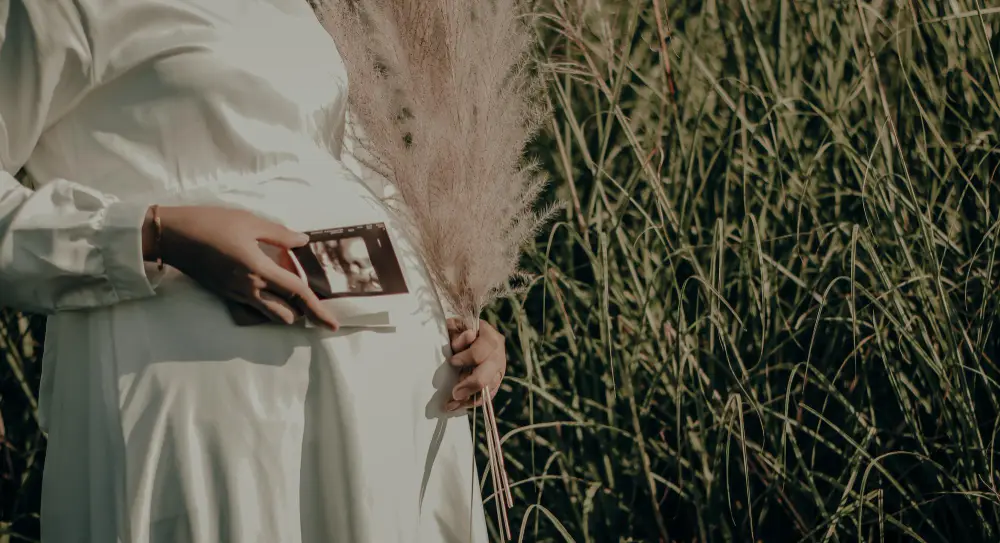
Meaningful objects add storytelling depth to maternity photos. Ultrasound images held against your belly connect your baby’s internal development to your external growth. Baby shoes or clothing show scale and anticipate your child’s arrival. Books, particularly children’s books, suggest your plans for reading to your baby.
Locations with personal significance make photos more meaningful. The park where you told your partner about the pregnancy, the home where you’ll bring your baby, or the beach where you spent weekends during pregnancy all add context. These settings remind you not just what you looked like, but where you were and what you did during this time.
Avoid overusing props. One or two meaningful items per session adds depth. Too many props distract from you and your belly. Let objects support your story rather than dominate the frame.
Preserving Your Story
Photos serve little purpose hidden on hard drives. Print maternity images for your home, where you’ll see them daily. Create an album that progresses chronologically from pregnancy through your baby’s first year. This collection becomes a family heirloom that your child will value as they grow.
Display maternity photos before your baby arrives. These images celebrate pregnancy and build anticipation. After birth, integrate maternity photos with newborn and milestone images. The progression shows your family’s evolution.
Share photos selectively on social media. Not every image needs to be public. Keep intimate moments private while sharing others with friends and family. Consider your child’s future privacy when posting pregnancy and newborn photos online.