
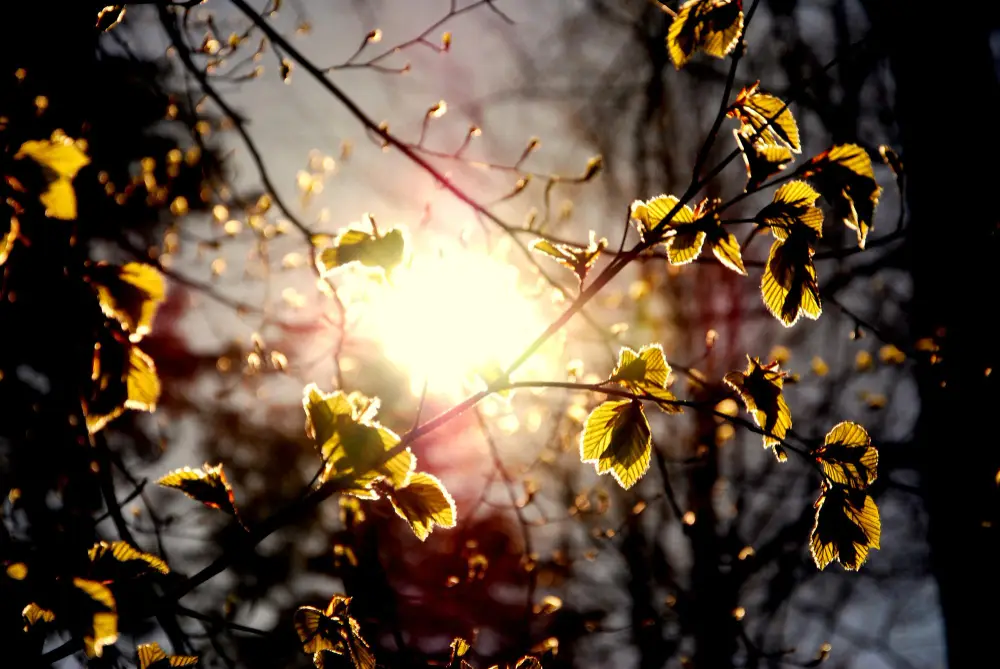
St. Augustine’s light shifts dramatically throughout the year. The same location photographed in January produces completely different images than the same spot in July. Knowing about these seasonal changes helps photographers plan sessions that take advantage of optimal conditions and avoid challenging weather patterns.
Winter Light: December Through February
Winter brings the lowest sun angles of the year. Sunrise happens after 7 AM, and sunset arrives before 6 PM. This compressed daylight means the golden hour extends longer than during summer months. The sun never reaches the harsh overhead position it achieves in warmer seasons.
Cold fronts push through regularly during winter. These weather systems bring dramatic skies with defined cloud formations. Clear days after fronts pass produce exceptional visibility, with crisp light and saturated colors. Humidity drops significantly, reducing the haze that characterizes summer photography.
Beach sessions during winter require preparation for wind. Afternoon winds increase as land heats up, even during cool months. Morning sessions avoid the strongest gusts. Water temperatures drop to the 50s and 60s, making ocean photography challenging for subjects but creating interesting steam effects during cold mornings.
Downtown photography benefits from winter light. Low sun angles create long shadows across historic buildings, emphasizing architectural textures. Cobblestone streets show more dimension with side lighting. The fewer tourists mean cleaner backgrounds and less waiting for clear shots.
Spring Transition: March Through May
Spring in St. Augustine doesn’t follow typical seasonal patterns. March brings warm days mixed with cold snaps. April starts the transition to summer humidity, though mornings remain comfortable. May marks the beginning of afternoon thunderstorms that will characterize the next five months.
Sunrise times shift earlier each week during spring. By May, sunrise happens before 6:30 AM. This early light means scheduling sunrise sessions requires commitment from clients. The payoff comes in the form of empty beaches and golden light before heat builds.
Vegetation changes significantly during spring. Trees that drop leaves in winter regain foliage, creating greener backgrounds. Azaleas bloom in March, offering colorful natural backdrops. Parks transition from brown winter grass to lush green growth, expanding location options.
Weather unpredictability during spring requires backup plans. Morning sessions have better odds of clear skies than afternoon shoots. By 2 PM, clouds build as temperatures rise. These afternoon clouds can produce interesting skies, but they also bring sudden rain that ends sessions early.
Summer Intensity: June Through August
Summer light in St. Augustine presents challenges. The sun rises north of east and sets north of west, creating difficult angles for coastal photography. Midday sun comes from almost directly overhead, producing harsh shadows and high contrast that’s difficult to manage.
Heat index values regularly exceed 100 degrees during summer afternoons. Outdoor photography becomes uncomfortable for everyone involved. Subjects sweat, makeup runs, and attention spans shorten. These conditions limit outdoor sessions to early morning or evening hours.
Humidity during summer creates a natural diffusion effect. While this softens light to some degree, it also reduces clarity and color saturation. Photos appear slightly hazier compared to winter images. Some photographers embrace this look as atmospheric, while others find it frustrating.
Afternoon thunderstorms develop nearly daily during summer. These storms typically arrive between 2 PM and 6 PM, directly conflicting with late afternoon photography sessions. Morning sessions finish before storms build. Evening sessions require scheduling after storms pass, usually around 7 PM or later, and often get canceled due to persistent rain.
Beach photography works better during summer despite the heat. Water temperatures reach the upper 70s and low 80s, making ocean entry comfortable. Longer days extend golden hours later into the evening, accommodating families with young children who nap during afternoon hours.
Fall Comfort: September Through November
September in St. Augustine feels like summer. Heat and humidity continue through the month, and afternoon storms remain common. Real fall weather arrives in October, when temperatures drop and humidity decreases. By November, conditions stabilize into the most reliable photography weather of the year.
October and November offer optimal light without extreme heat. Sunrise happens at reasonable hours, between 7 AM and 7:30 AM. Sunset occurs before 6 PM as daylight saving time ends. These moderate times make scheduling easier for families and working professionals.
Fall brings sea turtle nesting season restrictions lifted in November. Beach photography becomes less restricted as protected areas open. Dunes remain fragile year-round, but access improves after summer nesting periods end.
Hurricane season technically continues through November, though storms become less likely as the season progresses. September and October carry higher storm risks. These systems don’t just affect photography on days they pass through. They alter light and sky conditions for days before and after, creating dramatic photo opportunities but also unpredictable scheduling challenges.
Golden Hour Throughout the Year
Golden hour timing shifts significantly between seasons. Summer golden hour occurs early and late, between 6-7 AM and 7:30-8:30 PM. These times accommodate people with standard work schedules but require early wake-ups or late evenings.
Winter golden hour happens at more moderate times, between 7-8 AM and 5-6 PM. These hours work better for families with young children and people who prefer not to wake before dawn. The tradeoff comes in the form of busier locations, as more people are out during these convenient times.
Cloud cover affects golden hour quality more than time of year. Overcast days eliminate golden hour entirely, creating even but flat light throughout the day. Partly cloudy conditions can improve golden hour by reflecting and scattering light, producing the warm glow photographers seek. Clear days guarantee golden hour but create high contrast the rest of the day.
Overcast Days as Opportunities
Cloudy days produce even, soft light that many photographers consider ideal. Shadows disappear, contrast decreases, and subjects don’t squint. These conditions work particularly well for detail-focused photography and portraits where skin tones matter more than dramatic lighting.
Beach photography during overcast days loses the sparkle on water but gains comfortable conditions. Subjects tolerate longer sessions without harsh sun in their eyes. Cloud cover reduces heat during summer months, extending the window for outdoor work.
Downtown photography benefits from overcast light. Building details show clearly without heavy shadows. Street photography becomes easier without extreme contrast between sunny and shaded areas. Colors appear more saturated without bright sun washing out tones.
The risk with overcast days comes from flat, boring skies. Photos that include the sky look dull without cloud definition or color. Photographers compensate by framing shots lower, using foliage or buildings to fill upper portions of images rather than showing gray sky.
Rain & Post-Storm Photography
Active rain creates obvious challenges, but the hour after rain stops offers interesting conditions. Wet surfaces reflect light, creating mirror effects on streets and sidewalks. Puddles add foreground interest. Water droplets cling to plants and flowers, adding detail to close-up shots.
Post-storm light often shows increased color saturation. The atmosphere clears temporarily, and the sun breaks through remaining clouds, creating spotty light that adds drama. These conditions don’t last long, maybe thirty minutes after rain ends, requiring quick response from photographers.
Safety concerns accompany storm photography. Lightning continues after rain stops. Streets flood during heavy downpours, creating dangerous conditions. Professional photographers monitor weather radar and make conservative decisions about when conditions are safe enough to shoot.
Seasonal Location Selection
Some locations work better during specific seasons. Beach photography peaks in late spring and fall, when weather balances warmth with reasonable comfort. Winter beach sessions work but require subjects willing to tolerate wind and cool temperatures. Summer beach photography means working very early or accepting heat challenges.
Park photography improves during fall and spring when vegetation looks its best. Summer green can be attractive, but heat limits session length. Winter brings bare trees in some parks, creating different aesthetics that work for certain styles but not others.
Downtown photography maintains consistency year-round. Architecture doesn’t change with seasons, though vegetation around buildings does. Summer crowds increase during peak tourist season, making early morning shoots more important. Winter brings fewer people but also fewer daylight hours.
Planning for Seasonal Conditions
Successful photography in St. Augustine requires matching session types to seasons. Maternity sessions during summer move to early morning hours or reschedule to fall. Family beach photos work best in October and November. Extended outdoor sessions scheduled during spring and fall when weather is most predictable.
Backup indoor locations save sessions when weather doesn’t cooperate. Having relationships with indoor spaces that offer good natural light means weather changes don’t force cancellations. Covered outdoor areas like porches and pavilions provide middle ground between full sun and complete indoor shelter.
Communication with clients about seasonal challenges prevents disappointment. Explaining why summer afternoon sessions carry high risk helps people understand scheduling recommendations. Educating clients about seasonal light changes helps them visualize how their location will look during their session date.
Flexibility serves photographers well in St. Augustine’s variable climate. Being willing to reschedule when conditions aren’t optimal produces better results than forcing sessions during poor weather. Most clients appreciate photographers who prioritize quality over convenience.