
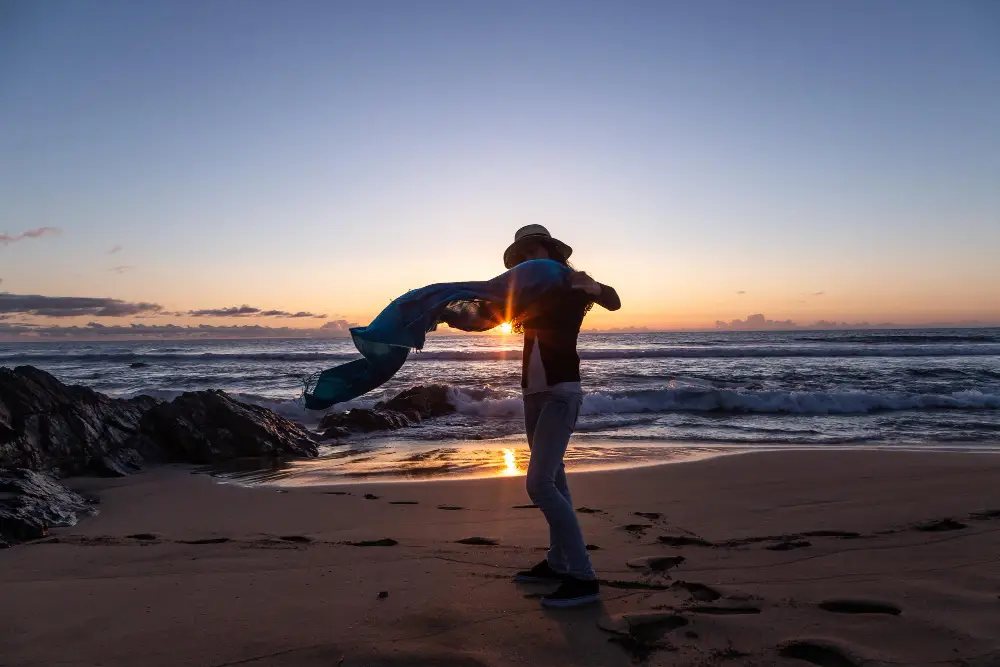
Golden Hour Timing
Sunset photography requires careful timing to capture the best light. Golden hour begins roughly an hour before the sun sets below the horizon and provides warm, flattering light for portraits. In St. Augustine, sunset times vary throughout the year, ranging from around 5:30 PM in winter to after 8:00 PM during summer months.
Your photographer will track sunset times based on your session date and recommend an arrival time. Most beach sessions begin 90 minutes before actual sunset to take advantage of the changing light conditions as the sun moves lower in the sky.
Seasonal Considerations for St. Augustine Sunsets
Summer sunsets occur later in the evening, which can be beneficial for avoiding midday heat but may conflict with dinner times or bedtime routines for families with young children. Winter sunsets happen earlier, making scheduling easier but possibly requiring warmer clothing layers.
Fall and spring offer moderate temperatures and sunset times that work well for most schedules. These seasons also bring fewer tourists to St. Augustine beaches, creating more space for your photography session.
Selecting Your Beach Location
St. Augustine offers several beaches suitable for sunset photography. Each location provides different backgrounds and crowd levels that affect your photos.
St. Augustine Beach near the pier gives you architectural elements in your background. The pier creates leading lines and adds interest to compositions. This area tends to be busier, especially during tourist season and on weekends.
Less Crowded Alternatives
Vilano Beach north of downtown attracts fewer visitors and provides more privacy for your session. The beach here stretches wide, offering room to work without other beachgoers in your frame. Parking access points make it easy to bring props or wardrobe changes.
Crescent Beach south of St. Augustine Beach offers another option with typically lighter crowds. The beach conditions here remain similar to the main beach area but with more space between groups of people.
What to Wear for Beach Sunset Photos
Clothing choices significantly impact how your photos turn out. Light colors and pastels photograph well during golden hour and complement the warm tones of sunset light. White, cream, soft blues, and blush tones work particularly well.
Avoid neon colors and busy patterns that distract from faces and the natural beauty of the setting. Solid colors or subtle patterns keep the focus on your family or couple rather than on clothing.
Coordinating Without Matching
Family members should coordinate their outfits without wearing identical colors or styles. Choose a color palette of two to three colors and let each person wear different pieces within that range. This creates visual harmony while allowing individual expression.
Flowing fabrics photograph well on the beach as they catch the breeze and add movement to images. Maxi dresses, flowing skirts, and loose-fitting shirts create dimension. Avoid stiff fabrics that don’t move naturally.
Preparing for Wind & Sand
Beach conditions include wind and sand that require preparation. Wind will blow hair around, which can create either a natural, carefree look or cause frustration if you prefer more controlled styling.
Bring hair ties or clips to adjust hairstyles as needed during the session. Light hairspray can help, though strong hold products may make hair look stiff in photos. Discuss your preference for windblown versus styled hair with your photographer beforehand.
Dealing with Sand
Sand will get on your feet, clothes, and any items you bring to the beach. Embrace this aspect of beach photography rather than fighting against it. The casual, natural feeling of a beach setting includes some sand.
Bring a small towel or brush to clean feet before putting shoes back on after the session. If you plan outfit changes, designate one person to hold clothing items off the sand while others change.
Props & Personal Touches
Props can add personality to your sunset beach photos, but less tends to be more in beach settings. The natural beauty of the ocean and sky provides enough visual interest without competing elements.
Consider bringing items that hold meaning for your family or relationship. A blanket for sitting, a favorite toy for children, or flowers can add touches of personality without overwhelming the scene.
When Props Work Best
Props work well when they serve a purpose in the photo beyond decoration. A blanket provides a place to sit and interact naturally. A kite or ball gives children something to do, which often results in more natural expressions than posed shots.
Avoid props that require significant setup time or that pull attention away from the people in the photos. Your photographer can advise on if specific items will work well in your session.
Posing & Interaction
Sunset beach sessions often include both posed portraits and candid moments. Plan to spend time in structured poses for family portraits or couple shots, as well as time moving naturally and interacting.
Walking along the waterline, playing in the waves, or sitting together on the sand creates opportunities for natural, relaxed photos. These candid moments often become favorites because they capture real emotions and connections.
Working with Children
Children typically do better with movement and play than with standing still for extended periods. Plan your session structure to include posed family shots early, then allow time for children to explore and play while your photographer captures those moments.
Bringing a small snack or drink can help if children get restless. Timing your session around nap times and meal times helps ensure everyone feels comfortable and cooperative.
Weather Backup Plans
Florida weather can change quickly, and clouds or rain may affect your sunset session. Overcast skies can actually create beautiful, even light for photos, though you may not see a colorful sunset.
Discuss backup plans with your photographer when booking. Some photographers offer reschedule options if weather makes the session impossible. Others may suggest alternative locations with more shelter if conditions become challenging.
After Your Session
Your photographer will provide a timeline for when you can expect to see your photos. Editing time varies, but most photographers deliver images within two to four weeks of your session.
Review your photographer’s policies on image delivery, print options, and usage rights. Knowing these details beforehand prevents confusion and ensures you know how you can use and share your photos.