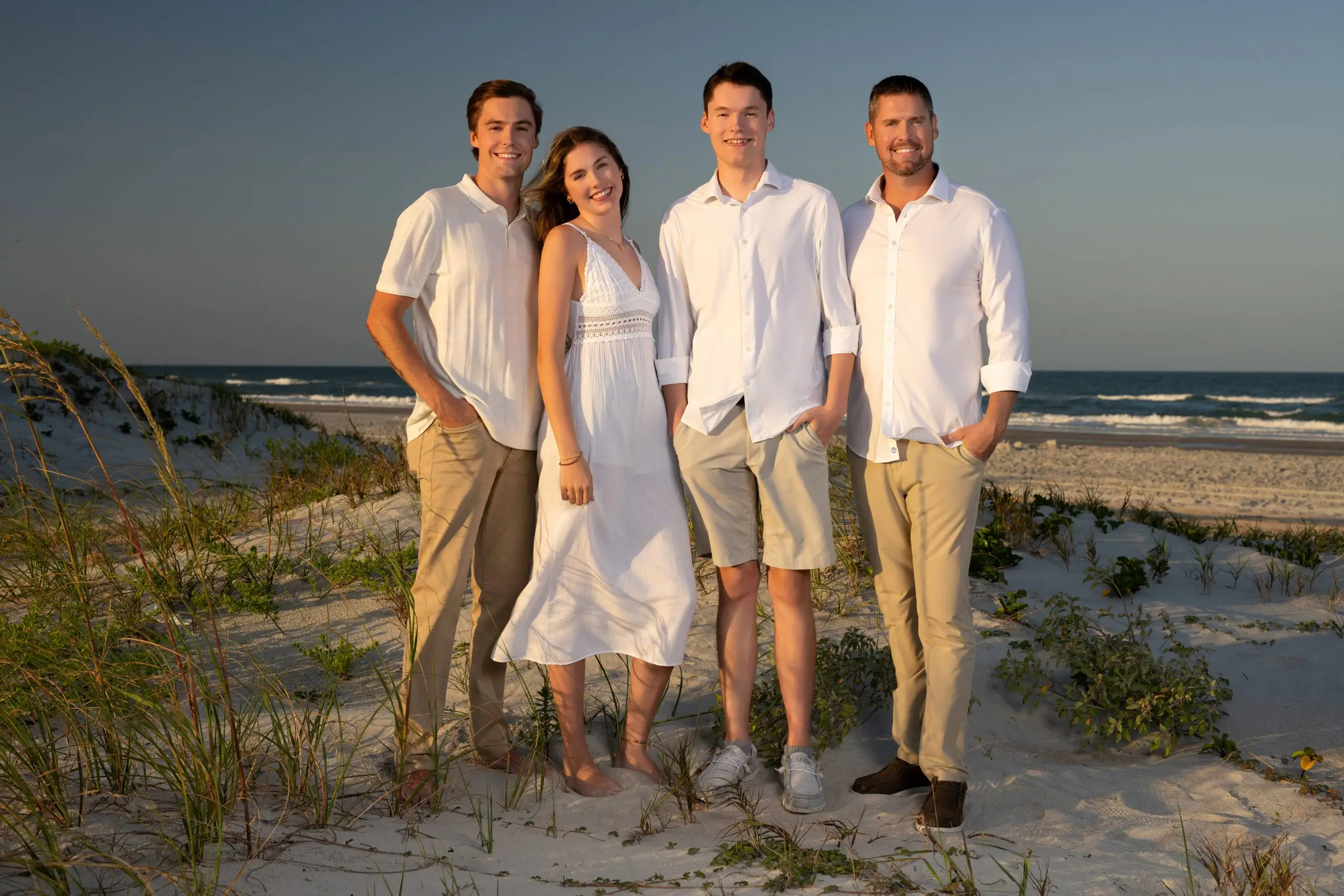

Where you take your photos shapes how those images feel. The same person photographed on a beach tells a different story than that person photographed in a downtown alley. Location does more than provide a backdrop. It sets a tone.
When exploring photoshoot location ideas, think beyond just what looks nice. Consider what feeling you want viewers to experience when they see your images. That emotional response starts with the setting you choose.
Nature Settings & What They Communicate
Outdoor locations in nature tend to evoke feelings of freedom, ease, and connection to something larger than ourselves. There is a reason so many family sessions happen in parks and on beaches. These settings suggest relaxation and togetherness.
Different natural settings carry different associations. A forest suggests mystery and depth. A beach implies openness and joy. A mountain creates drama. A meadow feels gentle and dreamlike.
Beaches & Water
Water in photos often reads as cleansing, fresh, and alive. Beach photoshoot location ideas work well for sessions meant to feel carefree or celebratory. The endless horizon creates a sense of possibility.
The movement of waves adds energy to images. Even still photos seem more dynamic when water appears in the frame. This makes beaches popular for engagement sessions and milestone celebrations where joy is the primary mood.
Forests & Woods
Tree-covered locations create mood through shadow and depth. Light filters through leaves and branches, creating patterns that change throughout the day. The effect feels intimate and slightly mysterious.
Forest sessions often produce images with a storytelling quality. Something about being surrounded by trees suggests narrative. These locations work well for maternity sessions, couples portraits, and artistic headshots.
Urban Environments & Their Impact
City settings bring an entirely different energy to photos. Buildings, streets, and architectural details create structure and context. Urban photoshoot location ideas tend to feel modern, edgy, or sophisticated depending on specific choices.
Downtown areas with older architecture suggest history and permanence. Newer construction reads as contemporary and forward-looking. Industrial spaces can feel gritty or artistic depending on how they are photographed.
Historic Districts
Old buildings carry stories. Shooting in historic areas connects your images to a sense of tradition and timelessness. The architecture provides texture and interest without competing with subjects.
Cities like St. Augustine offer centuries of history in walkable areas. Cobblestone streets, aged doorways, and weathered walls all contribute to images that feel established and meaningful.
Modern Architecture
Clean lines and contemporary design create a different mood entirely. These locations work well for professional headshots, fashion-inspired portraits, and anyone wanting a polished, current feel.
Glass, steel, and concrete photograph with sharp precision. The mood leans toward professional and confident rather than warm and nostalgic. Consider who will see these images and what impression you want to create.
Indoor Versus Outdoor Considerations
Studio sessions offer control that outdoor locations cannot match. Light stays consistent. Weather becomes irrelevant. Backgrounds can be adjusted to serve your vision precisely.
The mood of studio work depends heavily on lighting and backdrop choices. A dark background with dramatic lighting feels different than a bright white setup. Studios can create almost any atmosphere, but they lack the authenticity of real locations.
When Studios Make Sense
Professional headshots often benefit from studio conditions. The controlled environment ensures consistency across all images. There are no distractions in the background to pull attention from faces.
Glamour and boudoir photography typically works well in studio settings where privacy, comfort, and precise lighting control matter. Newborn sessions also favor studios where temperature and sound can be managed.
When Location Matters More
Sessions meant to capture personality and lifestyle usually benefit from location shooting. The environment contributes to the story. Your photoshoot location ideas should reflect how you actually live or how you want to be seen.
Family sessions, engagement portraits, and senior photos often gain authenticity from being shot in meaningful places. A location connected to your actual life adds depth that studios cannot replicate.
Matching Location to Purpose
Before finalizing photoshoot location ideas, think about how these images will be used. Photos for a professional website need to project something different than images meant for your living room wall.
Corporate headshots typically call for neutral or professional settings. Personal portraits allow more creativity. Family photos might want warmth and nature. The intended use should guide location choices.
Thinking About Color & Tone
Locations come with built-in color palettes. A beach brings blues and tans. A forest offers greens and browns. An urban setting might contribute grays, reds, or earth tones depending on materials.
These existing colors interact with what you wear. Planning outfits alongside location choices ensures everything works together. A red dress pops against a green forest. A navy suit stands out against light architecture.
Personal Connection & Meaning
Some of the most meaningful photoshoot location ideas come from places that matter to you personally. Where did you meet your partner? Where does your family gather every summer? What spot makes you feel most like yourself?
Shooting in locations with personal significance adds a layer of meaning that generic pretty spots cannot match. You will feel more comfortable because you know the place. The resulting images will carry memories beyond just how you looked that day.
Talk with your photographer about places that hold meaning for you. They can assess if those locations work photographically and suggest ways to capture what makes them significant. Sometimes the most unexpected spots produce the most memorable images.