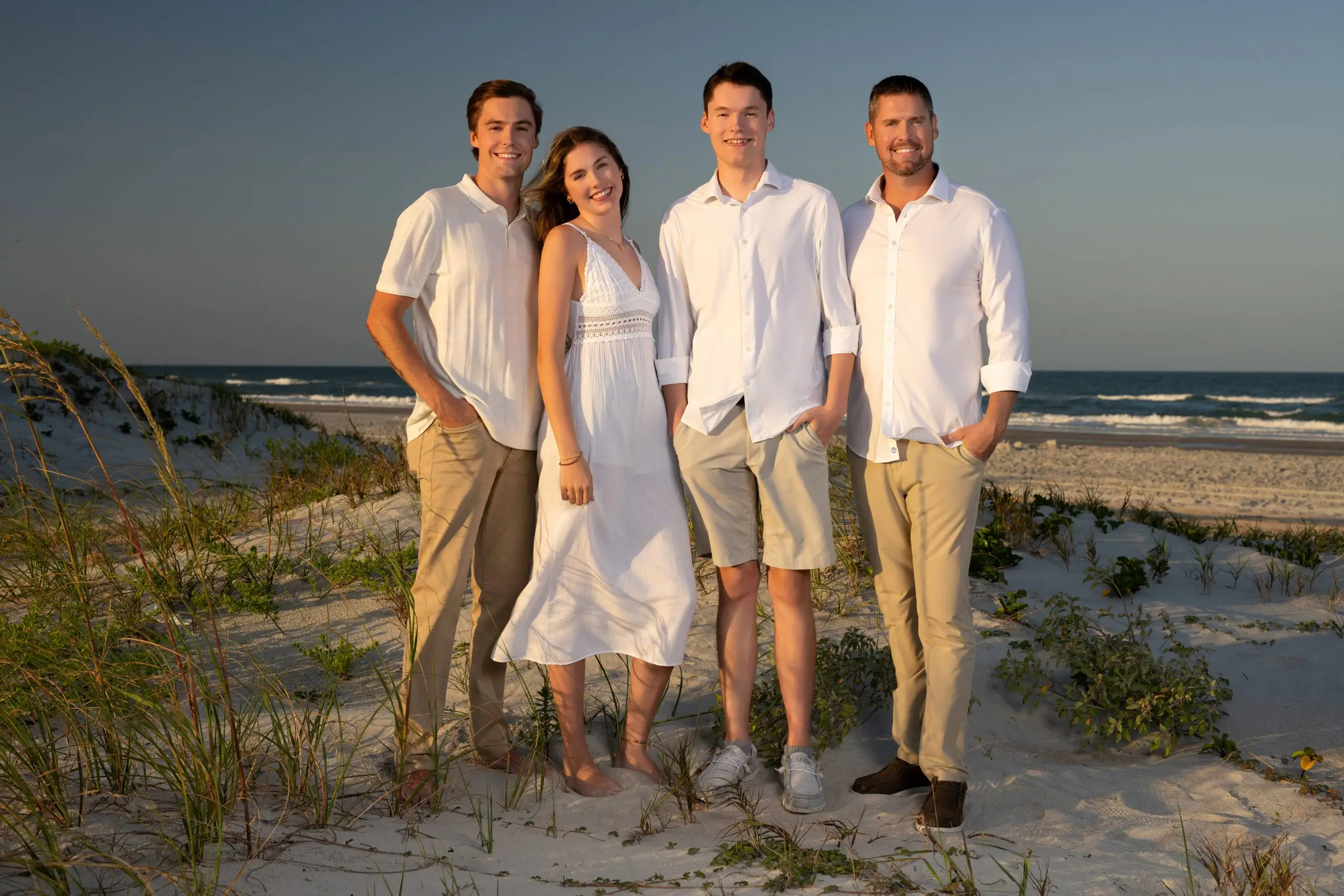
Couples photography has moved beyond park benches and posed embraces. Modern sessions incorporate activities that reflect how couples actually spend time together. St. Augustine’s location and history provide opportunities for photos that combine action, scenery, and authentic interaction.
Why Activity-Based Photos Work Better
Traditional posed photography asks couples to stand still and look at cameras. This approach produces fine images but misses the natural connection that emerges when people do things together. Activity-based sessions capture genuine interaction, laughter, and the small moments that define relationships.
Movement eliminates awkwardness. When couples focus on an activity, they stop thinking about posing. Their expressions relax, their bodies move naturally, and photos show real versions of themselves rather than stiff camera-ready poses. The best images from activity sessions happen between moments, when couples forget the camera exists.
Adventure photography tells stories about relationships. Looking at photos years later, couples remember not just what they looked like but what they did together. These images document shared experiences rather than just appearances.
Kayaking Through Salt Marshes & Intracoastal Waterways
Kayaking sessions in St. Augustine take advantage of calm waterways that wind through marshes and along protected coastlines. These areas avoid ocean waves while providing interesting scenery and wildlife encounters. Launch sites with easy access make sessions practical even for couples with limited kayaking experience.
Morning sessions work best for water activities. Winds stay calm, light comes from favorable angles, and heat hasn’t built to uncomfortable levels. Launch an hour after sunrise to maximize good light while ensuring enough brightness for active photography.
Kayaking creates natural interactions worth capturing. One person paddles while the other rests, creating opportunities for conversation and connection. Couples help each other go through the narrow channels. They react together to wildlife sightings. These moments produce authentic photos that posed sessions cannot replicate.
Photographers manage kayaking sessions from their own boats or from shoreline positions depending on the waterway. Some marsh systems include boardwalks and observation points that provide heightened views of kayakers below. Other locations require photographers to kayak alongside couples, using waterproof equipment and accepting limitations on angles and positioning.
Horseback Sessions on the Beach
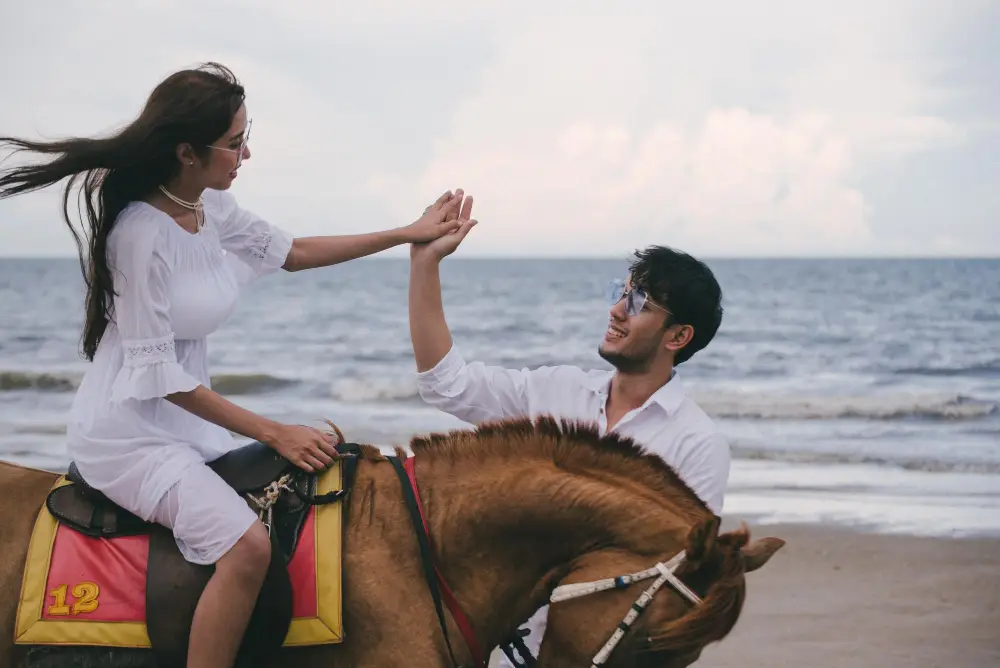
Beach horseback riding in St. Augustine happens through permitted operations that provide horses and guides. These sessions combine the motion of riding with the setting of coastal landscapes. Horses add size and movement to compositions while creating activities that couples share.
Riding experience varies among couples. Some have ridden extensively, while others climb onto horses for the first time during photo sessions. Guides match horses to rider skill levels, ensuring safety while allowing enough freedom for natural photos. Photography works best when riders feel comfortable enough to relax but challenged enough to focus on the experience rather than the camera.
Beach riding happens during low tide when sand is firmest. Sessions are scheduled around tide tables rather than optimal light times. This requirement sometimes means shooting during midday hours that would typically be avoided. Photographers adapt by using the horses themselves as shade sources and focusing on details rather than wide scenes during harsh light.
Water adds another element to beach riding photos. Horses wade into shallow surf, creating splashes that add motion to images. Couples react to ocean spray and horse movements, producing genuine expressions. The combination of animals, water, and people creates complicated scenes that differ significantly from standard couple portraits.
Historic District Walking Tours With Purpose
Walking tours through St. Augustine’s historic district provide constantly changing backgrounds. Architecture, courtyards, doorways, and street scenes shift every few steps. These sessions incorporate local history while allowing couples to explore and interact with their surroundings.
Natural activities emerge during walking tours. Couples read historical plaques, point out interesting details, and discuss what they observe. They walk hand-in-hand down narrow streets, peek into courtyards, and climb stairs to lookout points. These actions create opportunities for casual photos that show their relationship style.
Photographers use walking sessions to find unexpected locations. Side streets that don’t appear on tourism maps often provide better backgrounds than famous landmarks. Private courtyards visible through gates offer glimpses into hidden spaces. The combination of planned stops and spontaneous discoveries produces varied images.
Timing matters for historic district photography. Early morning provides empty streets before tours begin. Late afternoon brings warm light across old buildings. Midday works when focusing on shaded areas like covered walkways and interior courtyards. Each time of day produces different moods within the same locations.
Climbing the St. Augustine Lighthouse
The St. Augustine Lighthouse requires climbing 219 steps to reach the observation deck. This physical challenge creates natural interaction between couples. They encourage each other up stairs, take breaks together on landings, and celebrate reaching the top. The climb itself becomes part of the story.
Photography happens at multiple stages during lighthouse visits. Ground-level shots use the lighthouse as a backdrop. Mid-climb photos through windows show couples ascending with water and the land visible behind them. Top-level images capture the achievement of reaching the summit along with expansive views.
Lighthouse sessions require advance planning. The site charges admission and photography permits. Climbing takes time and physical effort, limiting how many outfit changes or locations fit into a session. These constraints actually help focus sessions on authentic moments rather than extensive wardrobe and location variety.
Wind at lighthouse heights affects photos dramatically. Hair blows, clothes move, and subjects struggle to hear each other. These conditions challenge photographers but also create dynamic images that show energy and motion. Some couples embrace windswept looks, while others prefer to limit their time at the top to minimize wind exposure.
Sunset Sailing on the Matanzas Bay
Sailing sessions on Matanzas Bay combine water, sky, and the activity of operating a sailboat. Couples who sail can take the helm, while those without experience work with captains who manage the boat. Either way, the boat’s motion creates natural interaction opportunities.
Golden hour happens on the water during sunset sails. Light reflects off the bay, creating favorable conditions from multiple angles. The combination of land in the background and water in the foreground adds depth to compositions. Sails themselves become compositional elements that frame subjects and catch light.
Sailing photography requires maritime safety awareness. Photographers position themselves carefully to avoid interfering with boat operations. Equipment needs protection from spray and salt. Backup plans account for weather conditions that make sailing unsafe, even if they’re fine for land-based photography.
The confined space on sailboats creates intimacy in photos. Couples sit close together, hold each other for stability, and interact within small areas. These limitations actually benefit photography by keeping subjects near each other and eliminating posing questions about where to stand or how far apart to be.
Picnic Sessions at Fort Matanzas
Fort Matanzas, located south of St. Augustine, provides both historical setting and natural areas for photography. Couples take the ferry to the fort, creating a small adventure as part of the session. The fort structure offers architectural elements, while surrounding marshes provide natural backdrops.
Picnic setups at Fort Matanzas create activity around food and relaxation. Couples unpack baskets, pour drinks, and share snacks. These domestic activities produce intimate moments that differ from the more active adventures like kayaking or horseback riding. The contrast between action-based and quiet activities creates variety within adventure photography.
Ferry timing controls session schedules at Fort Matanzas. Boats run on specific schedules, limiting when couples can arrive and leave. This constraint requires planning but also creates natural time limits that keep sessions focused. The ferry ride itself provides additional photo opportunities with water and marsh views.
Wildlife appears regularly at Fort Matanzas. Birds feed in marshes, dolphins swim past the fort, and gopher tortoises wander the grounds. These encounters add unexpected elements to sessions and create beautifully candid images that couldn’t be planned or replicated.
Sunrise Stand-Up Paddleboarding
Stand-up paddleboarding offers another water activity for couples photography. The learning curve for SUP is shorter than kayaking, and most people with reasonable balance can manage it with brief instruction. Boards move through shallow water that kayaks can’t access, creating different composition opportunities.
Sunrise SUP sessions take advantage of glassy water conditions common during early morning hours. The reflection of sky and subjects on still water creates mirror effects. Side lighting as sun rises emphasizes water texture and paddleboard outlines.
Photographers shoot SUP sessions from shorelines, docks, or their own paddleboards depending on location. Some areas provide natural vantage points that overlook paddlers below. Other locations require photographers to enter the water for eye-level perspectives. Waterproof housing protects cameras while allowing close approach to subjects.
Balance requirements on paddleboards create natural physical interaction. Couples help each other stand up, laugh when someone falls, and steady boards alongside each other. These moments show care and playfulness that posed sessions rarely capture. Even experienced paddleboarders face challenges when asking to pose while balancing, creating authentic rather than staged images.
Combining Multiple Activities
Full adventure sessions sometimes incorporate two or three activities during extended time blocks. A morning session might include kayaking followed by a beach walk and ending with breakfast at a waterfront restaurant. This approach creates varied settings and activity types within a single session.
Multiple activities require more planning and time management. Transportation between locations, activity transitions, and the physical demands of several adventures add depth. The payoff comes in the form of various images that tell a more complete story of the couple’s day together.
Wardrobe considerations change with multiple activities. Water activities require clothes that can get wet or easy changes between activities. Some couples bring multiple outfits and change as they transition between adventures. Others embrace single casual looks that work across all activities, accepting limited wardrobe variety in exchange for simpler logistics.
Planning Adventure Sessions Successfully
Adventure photography requires more preparation than traditional portrait sessions. Equipment needs to protect against water, sand, and physical activity. Locations require scouting to ensure safety and access. Activities need coordination with guides, rental services, or facility managers.
Timing these sessions around optimal conditions means considering more factors than just light. Tide schedules affect water activities. Wind forecasts matter for sailing and beach activities. Temperature and humidity impact how long couples can comfortably participate in physical activities.
Communication with couples about physical requirements prevents problems during sessions. Kayaking requires arm strength and endurance. Lighthouse climbing challenges anyone with knee issues or fear of heights. Setting accurate expectations helps couples choose activities they’ll enjoy rather than struggle through.
The goal of adventure photography is capturing authentic relationships through shared experiences. When couples genuinely enjoy their activities, that enjoyment shows in photos. Forcing activities that don’t match their interests or abilities produces strained images rather than joyful ones. The best adventure sessions happen when activities align with what couples actually like doing together.